
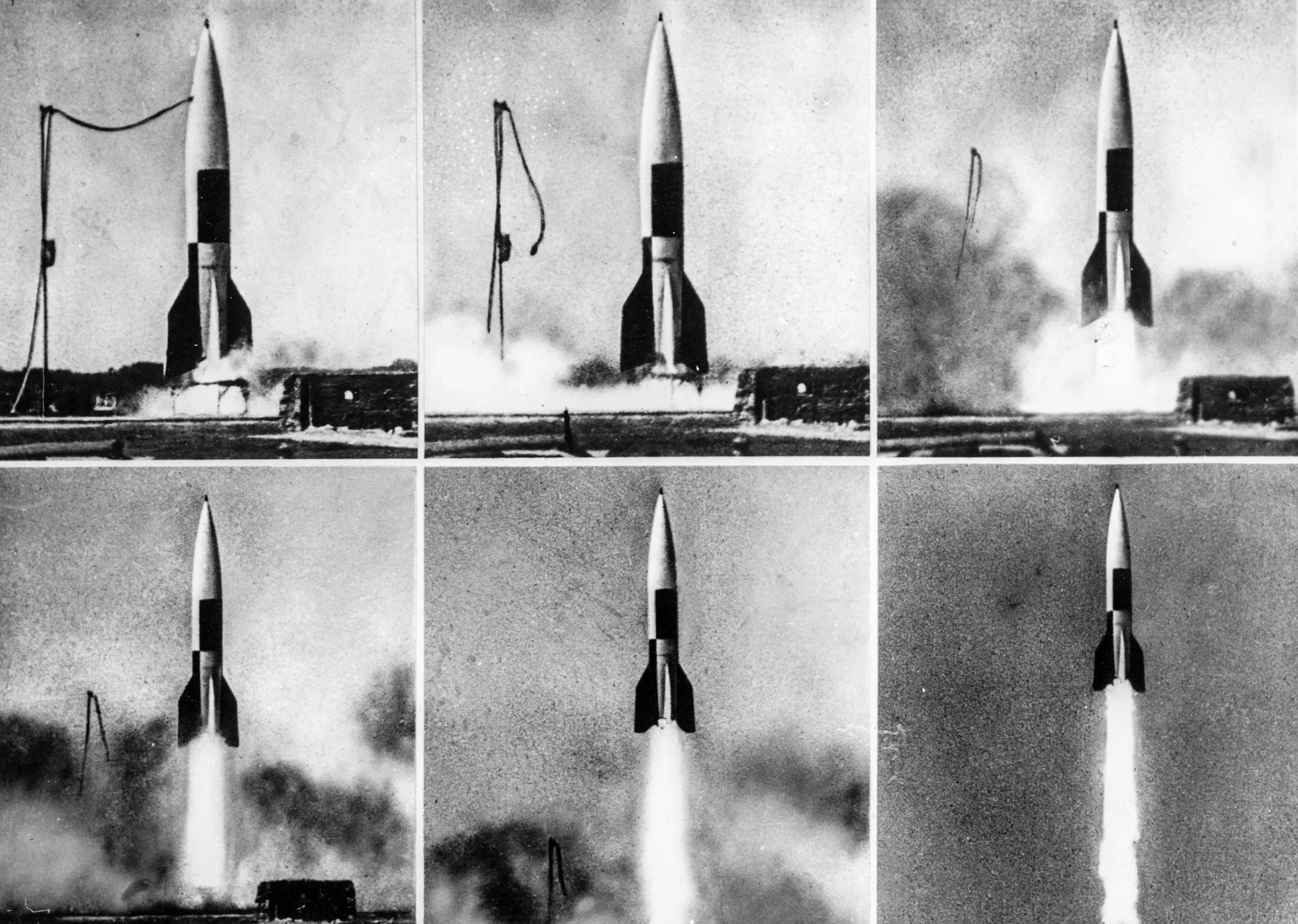
The Science
Why Rockets?
The German military was prohibited from developing conventional artillery weapons by the World War I Treaty of Versailles. As a result, the rocket began to look like a good candidate for providing defense for the country. The capabilities of a rocket would provide a good substitute for heavy artillery. When the German military decided to invest in the development and testing of rocket weaponry in the early 1930s, they could take advantage of an existing group of experienced scientists and technicians. The scientific principles of modern rocketry had been developed early in the twentieth century, primarily by three men: Konstantin Tsiolkovsky in Russia, Robert Goddard in America, and Hermann Oberth in Germany.
From Operation Paperclip at Fort Bliss: 1945-1950
by Susan I. Enscore, Cultural Resources Research Center, US Army Construction Engineering Research Laboratories, April 1998
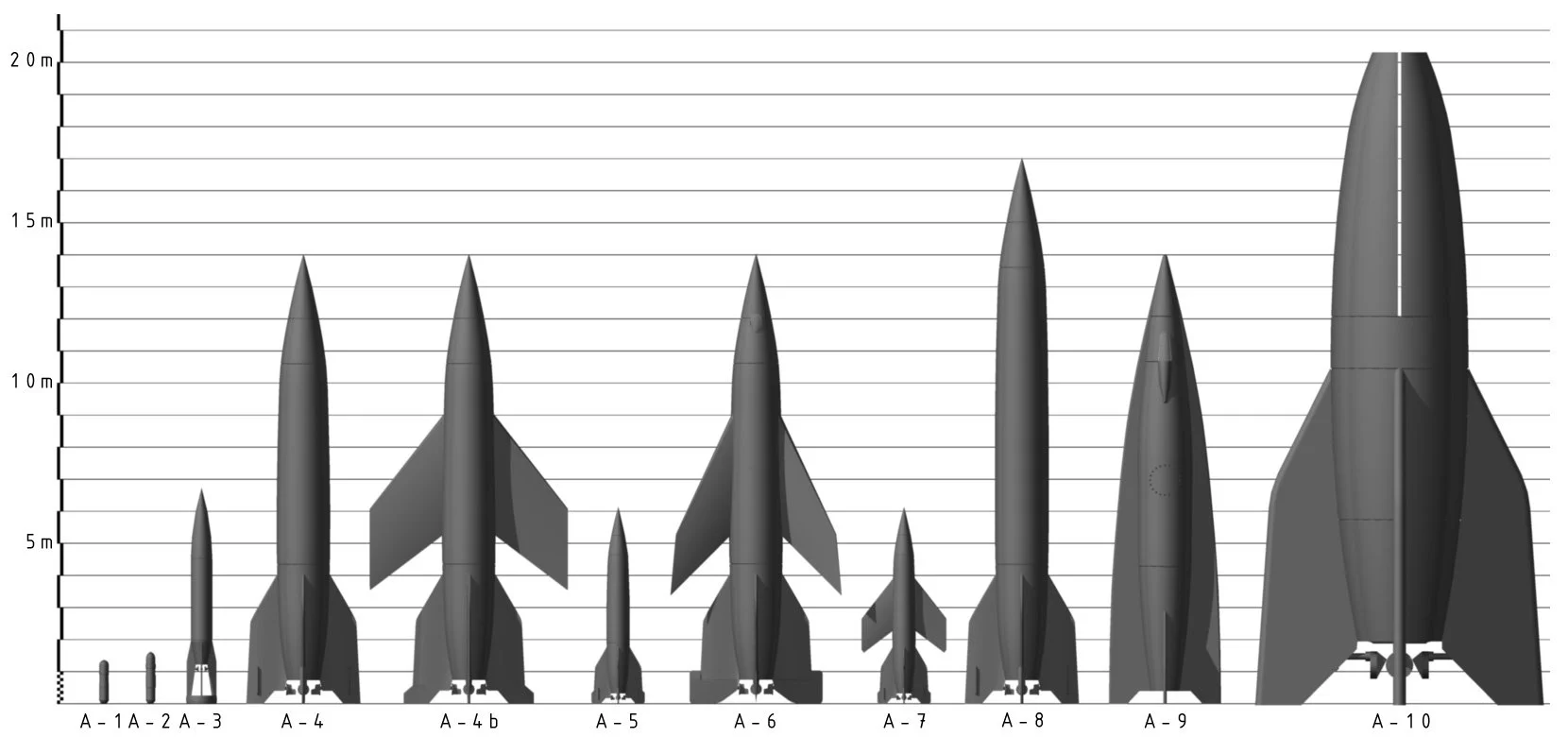
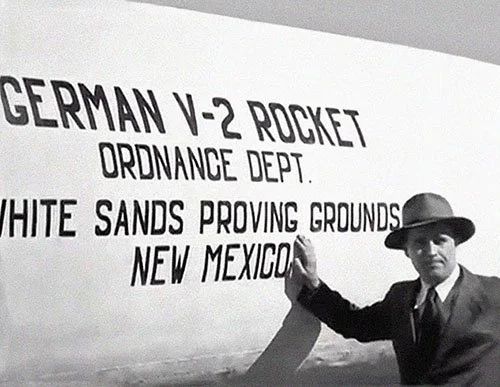
The V-2
-
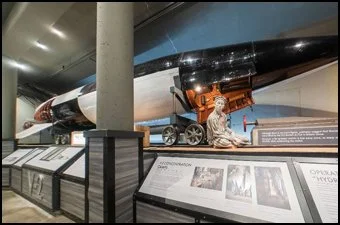
V2Rocket.com: A-4/V-2 Resource Site
This is the A-4/V-2 Resource Site. It is devoted to one of the most awesome weapons of WWII, the V-2 rocket. The V-2 or "Aggregat 4" was the first long-range ballistic missile to actively be used in combat. This huge German missile hurtled a one-ton warhead 50 miles high and hundreds of miles down range to its target. This site will try to give you an accurate account of the design, production and combat deployment of this weapon during World War 2. The legacy of the German V-2 ballistic missile represents the best and worst of humankind’s endeavors in the twentieth century. As fascinating as it was horrific, historians and scholars have been debating the real consequences of Germany’s rocket weapon development program for the better part of 70 years. Even today we are living in the V-2 era.
-
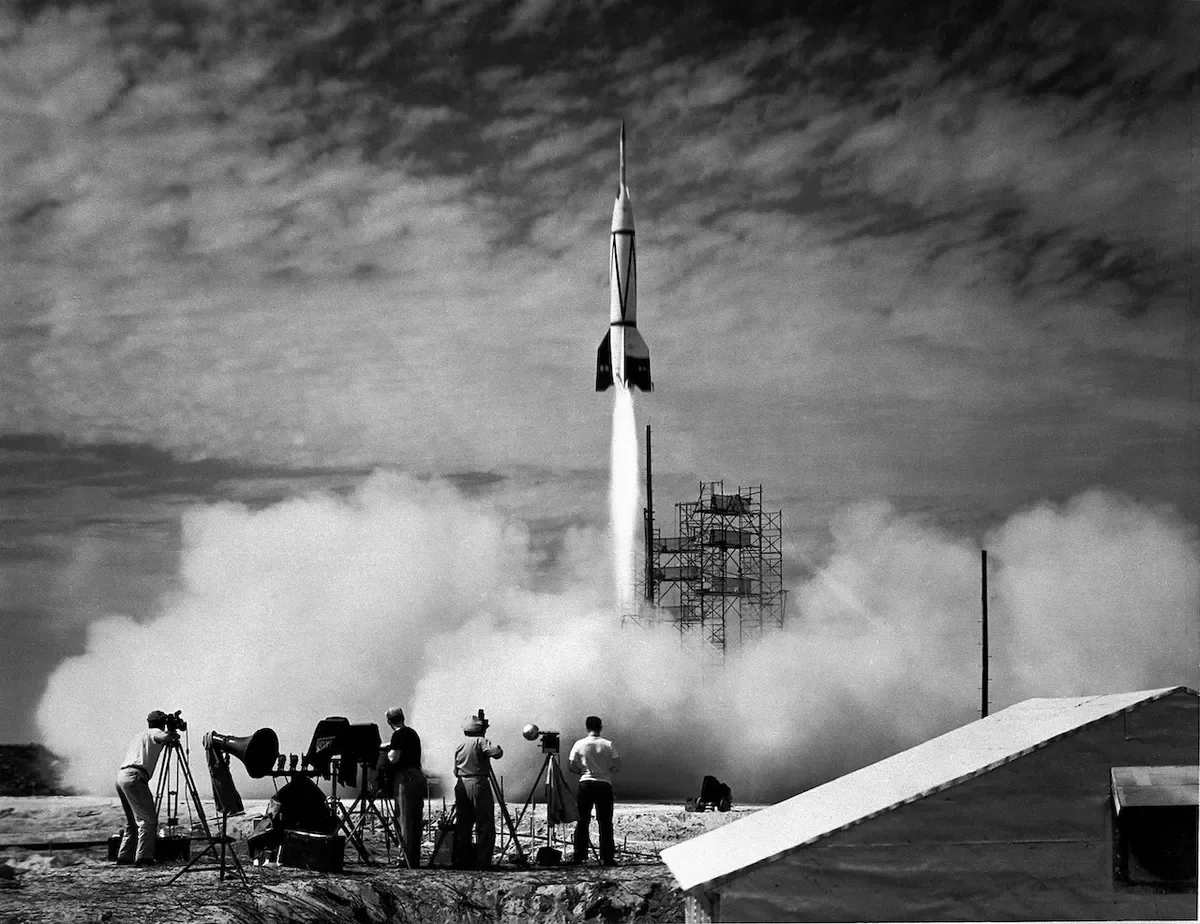
V2 rocket: Origin, history and spaceflight legacy
The V2 rocket was the world's first large-scale liquid-propellant rocket, developed between 1936 and 1942 in Nazi Germany. It is regarded as a revolutionary breakthrough in rocket technology, with the use of liquid fuel increasing its thrust capabilities and making it the first artificial object to enter space.
The V2 was the most advanced rocket of its time, when it was first launched in 1944, according to the journal Current Swedish Archaeology. However, the purpose of its production was deadly.
The V in its name stood for "Vergeltungswaffe", meaning "Vengeance weapon" in German. As the first long-range guided ballistic missile, the Nazis used the rocket to attack their opposition during World War II. As a result the missile killed around 9,000 people, according to the book "Beyond: Our future in space" by Chris Impey (W. W. Norton & Company, 2016).
-
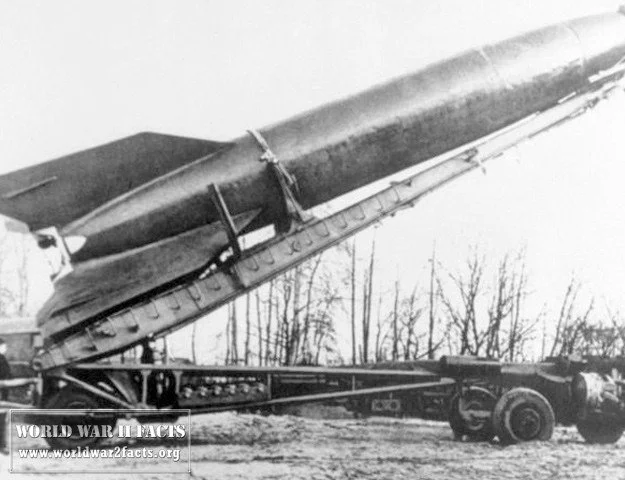
What is a V2 Rocket?
The V2 rocket was a short-range rocket or ballistic missile developed by the Nazi regime during World War 2 in Germany. The German name for the rocket is: Vergeltungswaffe 2, translating to retaliation weapon 2 which also had the more technical name of the Aggregat-4 (A4). The missile used liquid propellant and was the first long-range missile developed to strike at both London and Antwerp during the war. The V2 rocket was also thought to be the first known human created artifact or structure to enter space. After World War 2, the U.K, Soviet, and American governments would obtain access to the V2 rocket designs as well as various German scientists who worked on the project through Operation Backfire, Operation Osoaviakhim, and Operation Paperclip.
-

Decoding the A4/V2 Rocket
At V2 Rocket History you’ll find articles on the technology of the V2 rocket in a detailed but accessible way. The V2 liquid fuel rocket engine missile is undoubtedly one of the technical masterworks of humanity, but it’s a story that is marred in its latter stages by appalling cruelty and callousness. Over 70 years have passed but the spectre of the V2 rocket still haunts our world today and there is much we can learn about society’s relationship with scientists and technocrats from the case of WWII’s deadly V2 ballistic missile.
-
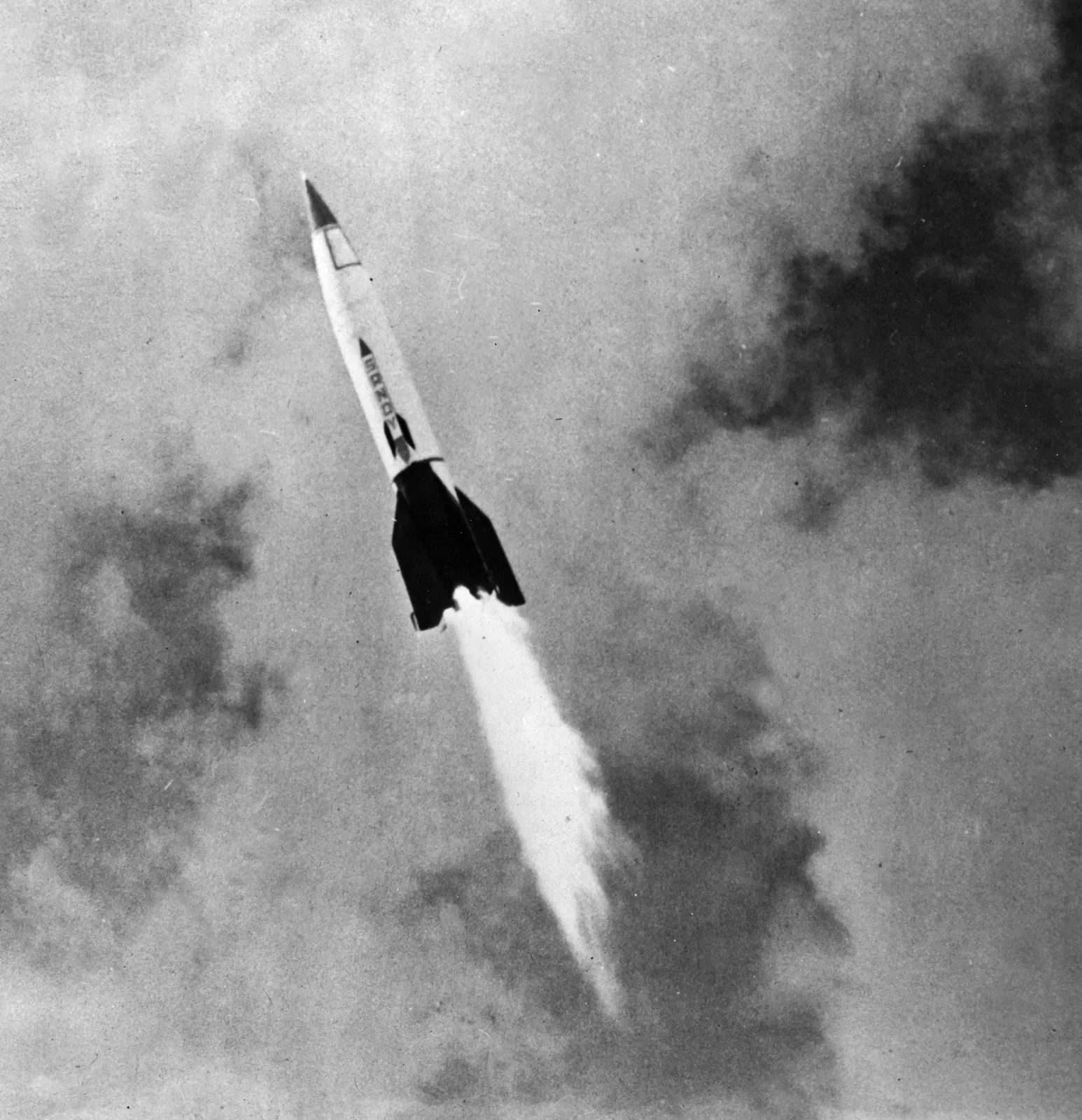
V-2 Rocket Military Technology
Developed in Germany from 1936 through the efforts of scientists led by Wernher von Braun, it was first successfully launched on October 3, 1942, and was fired against Paris on September 6, 1944. Two days later the first of more than 1,100 V-2s was fired against Great Britain (the last on March 27, 1945).
-

V2 Rocket - Photo Analysis
We analyse five photos of a V2 rocket explosion in London's East Ham on the 17th of September 1944. We reveal the hidden technical details of the A4 / V2 missile's development and combat history and the darker secrets long buried - quite literally - in five pictures from 1944.
-
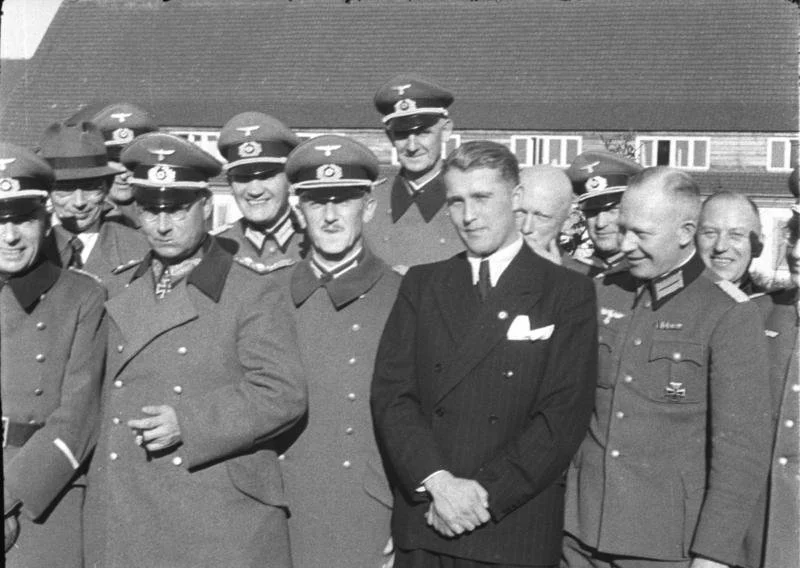
The Space Race Began With 16,000 Prisoners Slaving Away On Wernher Von Braun’s Nazi Rockets
Space could have become a battleground—and a terrible one, at that, considering that Nazi ideas and technology, not to mention actual Nazis, boosted humanity into orbit.
The era of frantic, dueling, American and Soviet space-exploration efforts—which stretched from the end of World War II to the United States’ successful Moon landing in July 1969—had its roots in Nazi Germany.
Its top scientists, most notably rocket-designer Wernher von Braun, were at best close associates of Nazis. Its basic technologies were derived from Nazi superweapons, in particular von Braun’s V-2 rocket.
-
Early Days of Enthusiasts—The Road to Peenemünde
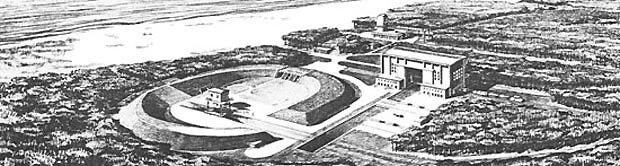
Autumn 1942. The dining table was full of revelers. In Usedom this day, the spirit of camaraderie was strong. Walter Dornberger glanced around the room. These were men that he had hand chosen and during this night of celebration at Dornberger's home the feeling of personal accomplishment was strong for each of them. They had achieved something together, as a team, something heretofore unimaginable to even the most celebrated scientific minds of the day. Dornberger rose to make a toast;
“For the first time we have invaded space with our rocket. Mark this well, we have used space as a bridge between two points on the earth; we have proven rocket propulsion practicable for space travel. This third day of October, 1942, is the first of a new era of transportation: that of space travel.”
-
Determined Engineer Showed NASA How to Land on the Moon
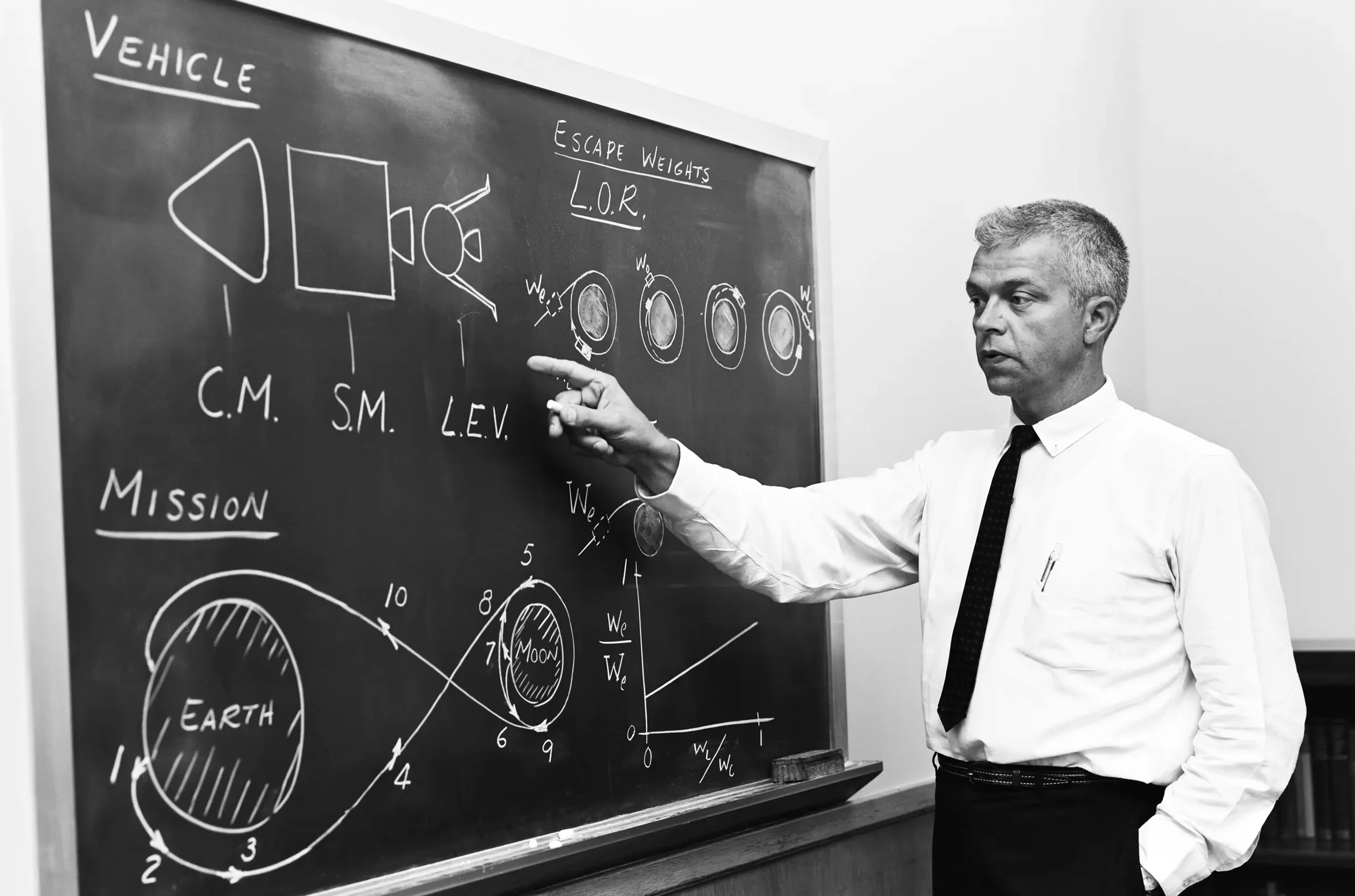
In the months leading up to America’s first manned space flight, NASA leaders met for a round table discussion of how to land a man on the moon.
In February 1961, members of the Space Task Group met in Washington, D.C. with engineers to discuss solutions. The group was headed by Robert Gilruth and lead Mercury spacecraft designer Maxime Faget. Wernher von Braun, the father of American rocketry, also attended the meeting.
As the discussion progressed past the midway point, an unknown engineer stood up in the smoke-filled room. He then explained his theory for how America should send astronauts to the moon.
The Space Race
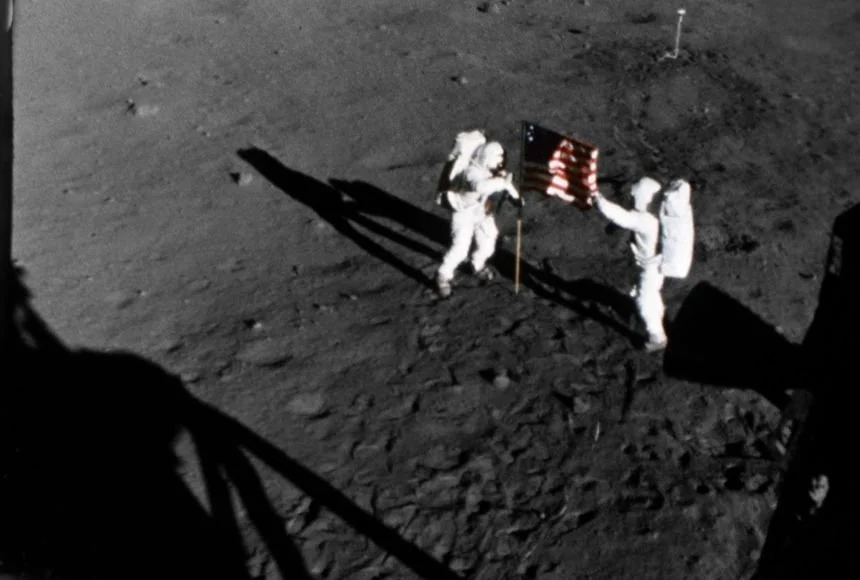
During the time that has passed since the launching of the first artificial satellite in 1957, astronauts have traveled to the moon, probes have explored the solar system, and instruments in space have discovered thousands of planets around other stars.
We human beings have been venturing into outer space since October 4, 1957, when the Union of Soviet Socialist Republics (U.S.S.R.) launched Sputnik, the first artificial satellite to orbit Earth. This happened during the period of hostility between the U.S.S.R. and the United States known as the Cold War.
Sputnik’s launch shifted the Cold War to a new frontier, space. The space race, a competition for prestige and spectacle, was a less-violent aspect of the Cold War, the often-deadly clash between the U.S.S.R. and the U.S.
From The History of the Space Race
by National Geographic; Image: NASA
-
![]()
1957
Soviet Launch of Sputnik
The Soviet launch of Sputnik, the first artificial satellite, shocked the United States and intensified the Space Race. This event underscored the urgency of developing American space capabilities, and von Braun's expertise became even more valuable.
-
![]()
1958
Launch of Explorer 1
Von Braun's team successfully launched Explorer 1, the first American satellite, using a Jupiter-C rocket derived from the Redstone. This was a significant achievement that demonstrated America's technological prowess.
Image: University of Iowa James A. Van Allen Collection
-
![]()
1960
Transfer to NASA and Establishment of the Marshall Space Flight Center
The ABMA's space-related activities were transferred to NASA (National Aeronautics and Space Administration), and the Marshall Space Flight Center was established in Huntsville, Alabama, with von Braun as its first director. This transition marked a shift from military to civilian space exploration.
Image: Alan Lawrie collection
-
![]()
1960s
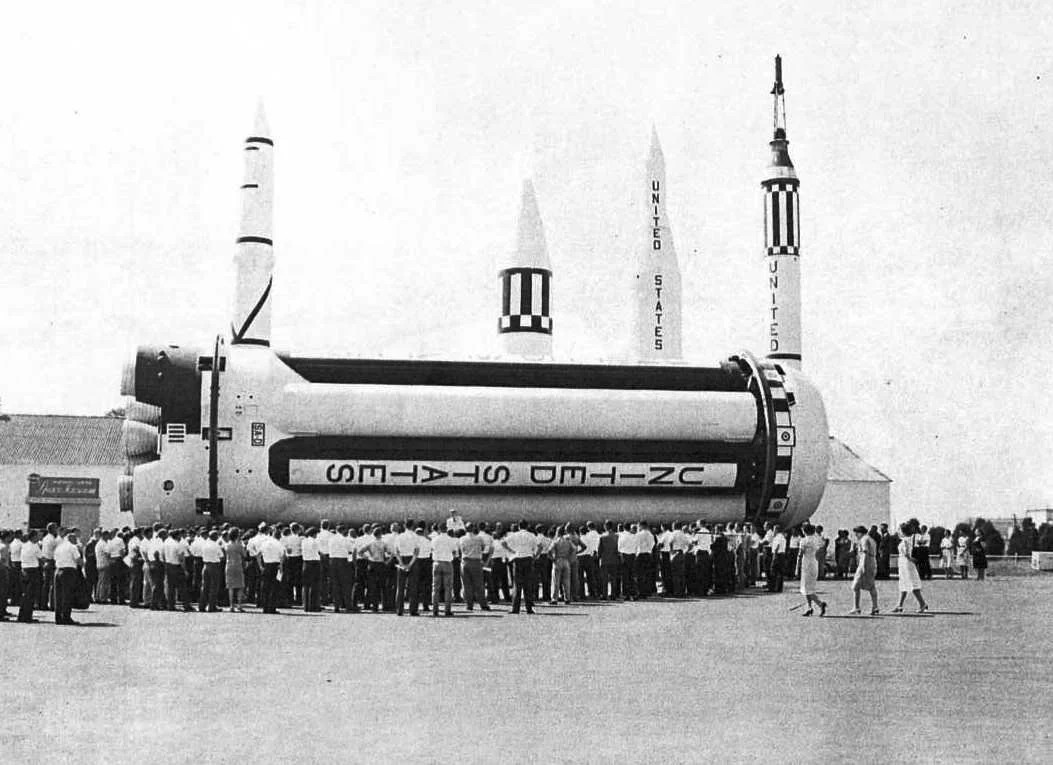
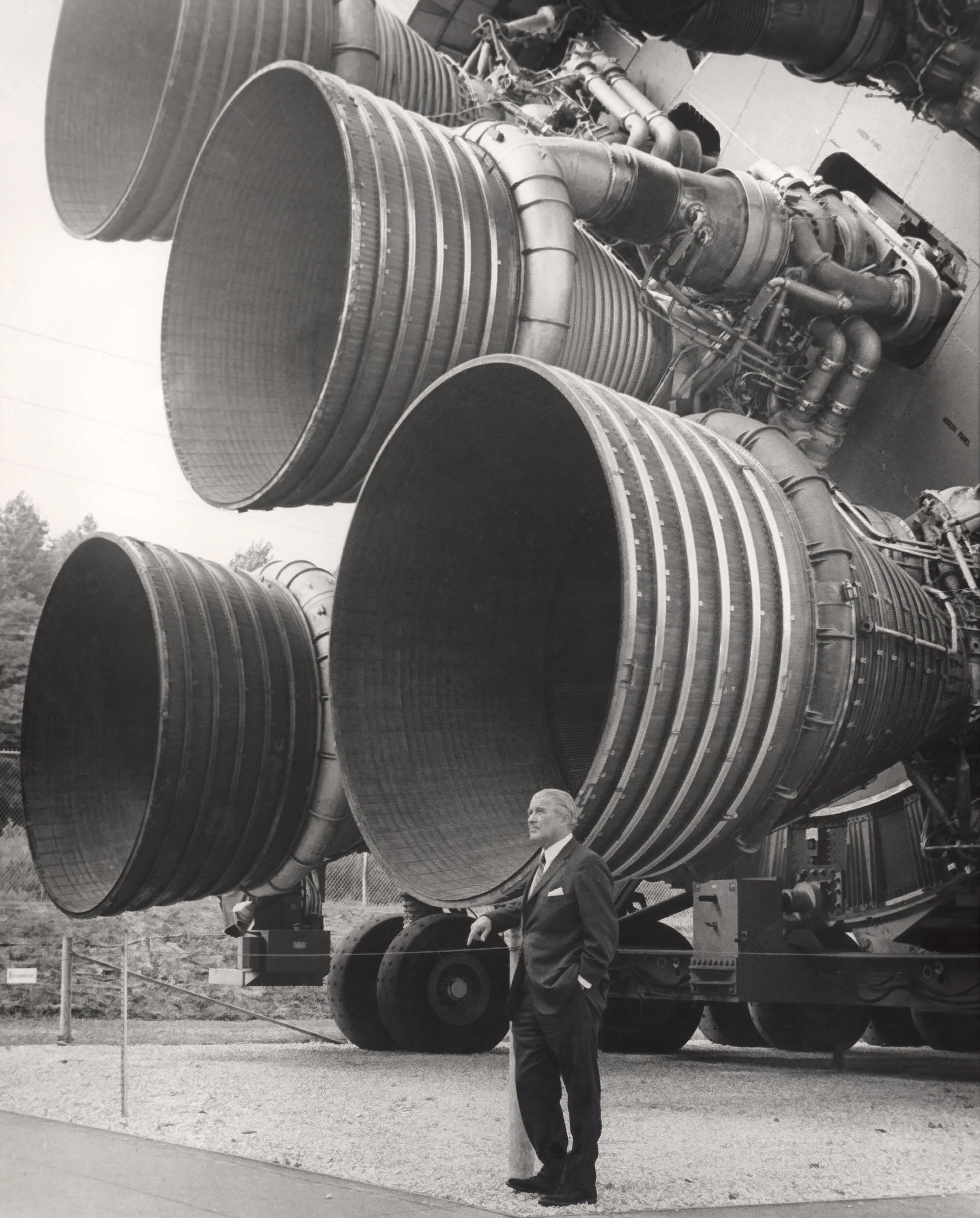
Development of the Saturn V Rocket
Von Braun led the development of the Saturn V rocket, the most powerful rocket ever built. The Saturn V was crucial for the Apollo program and the eventual Moon landings. He managed a large team of engineers and scientists, overcoming numerous technical challenges to realize this incredibly complex project.
-
![]()
1961
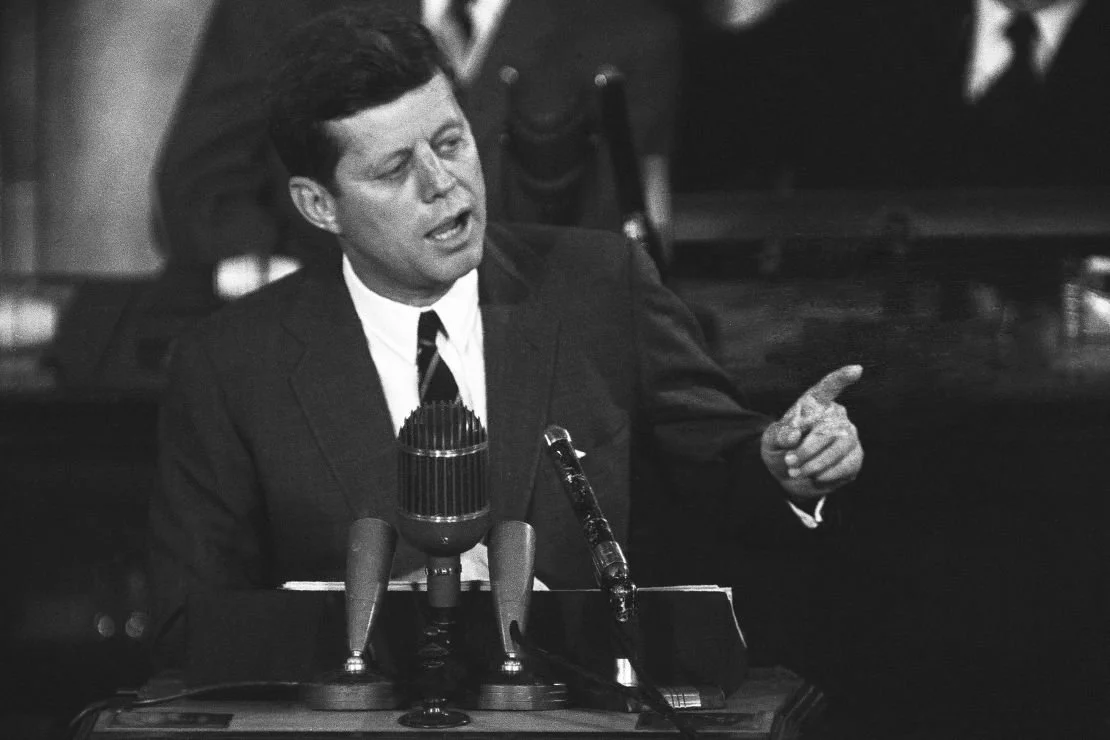
President Kennedy's Commitment to Landing a Man on the Moon
President Kennedy's bold declaration to land a man on the Moon by the end of the decade provided a clear goal for the US space program. Von Braun and his team were tasked with developing the necessary technology to achieve this ambitious objective.
Image: AP
-
![]()
July 20, 1969
Apollo 11 Moon Landing
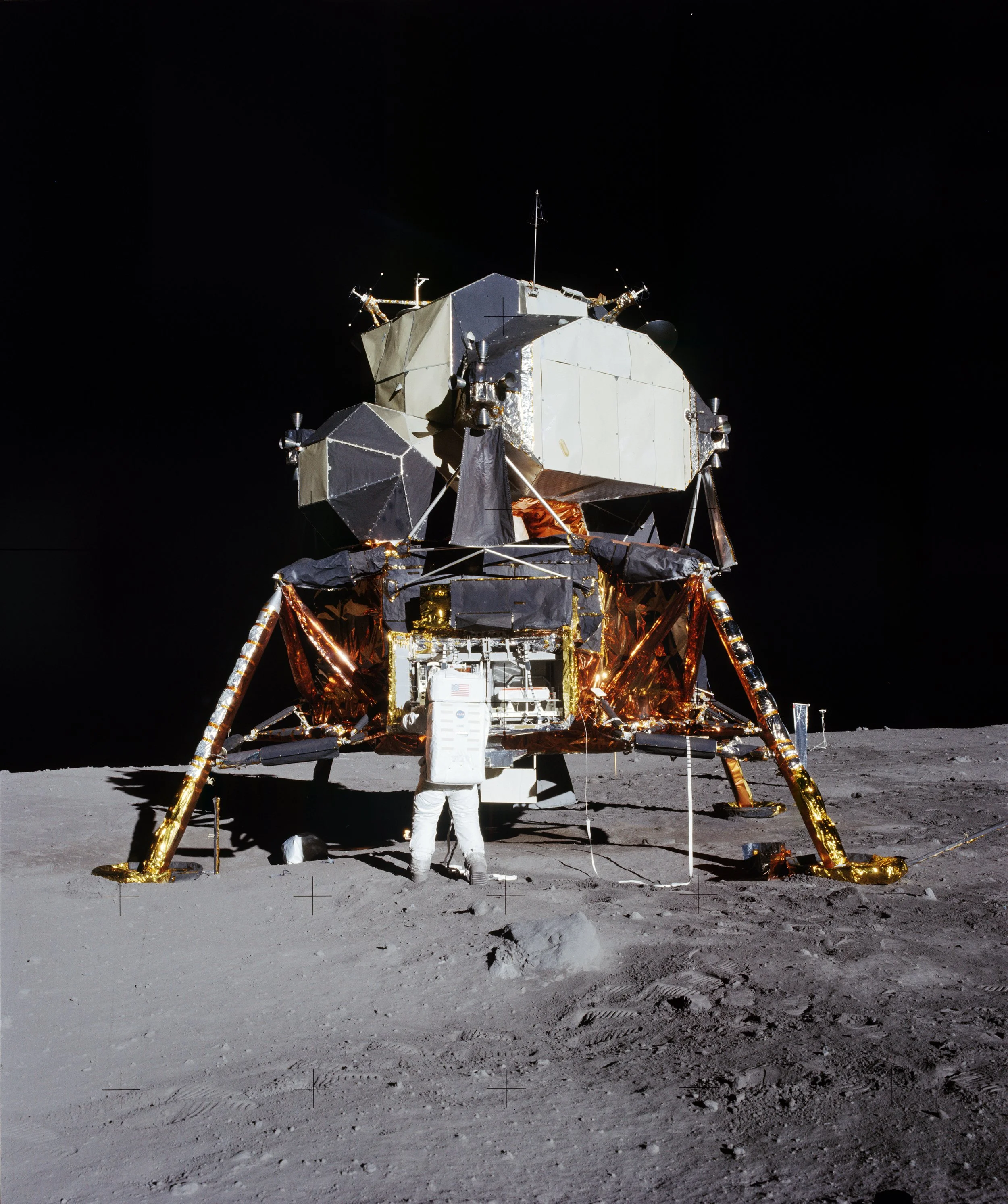
The Apollo 11 mission successfully landed Neil Armstrong and Buzz Aldrin on the Moon, fulfilling President Kennedy's commitment and marking a historic triumph for the United States. Von Braun's Saturn V rocket played a central role in this achievement.
-
![]()
1969-1972
Continued Apollo Missions
Von Braun continued to oversee the development and launch of subsequent Apollo missions, further expanding our knowledge of the Moon. However, public interest in the Moon landings began to wane, and the Apollo program was eventually scaled back.
Image: Neil Armstrong
-
![]()
1970
Public Service Award
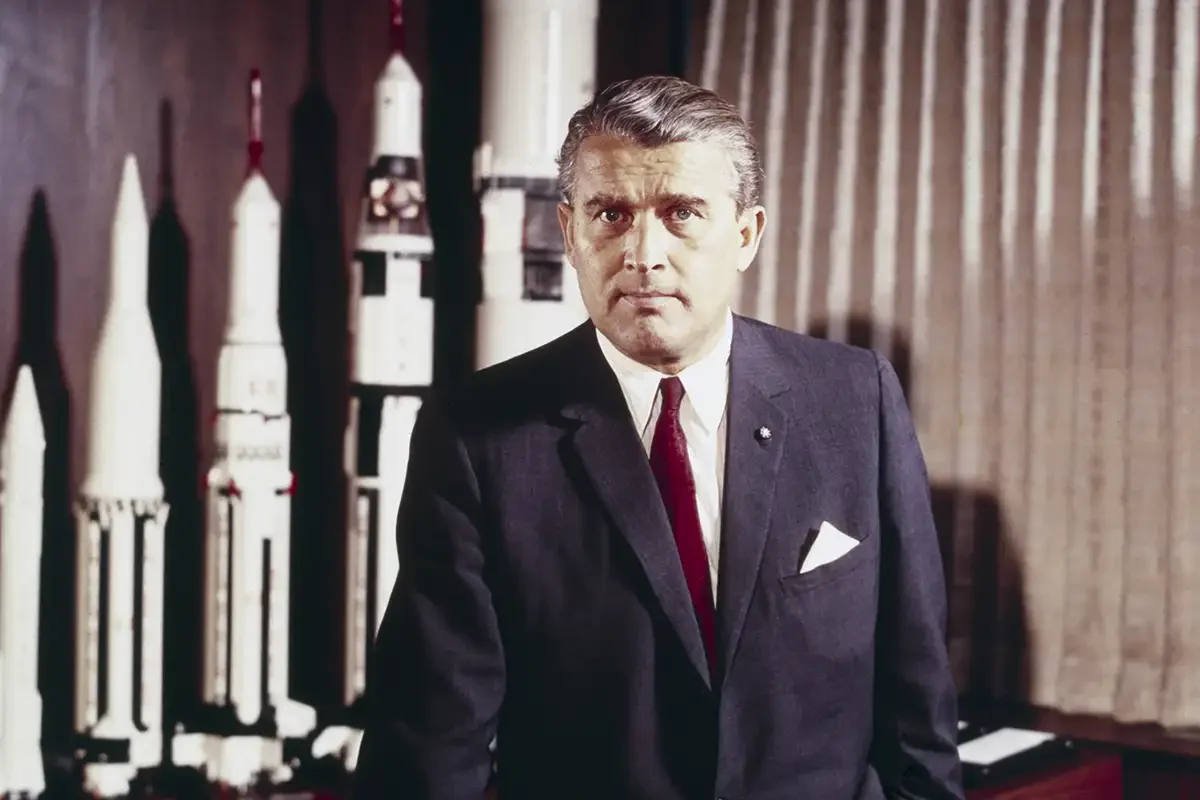
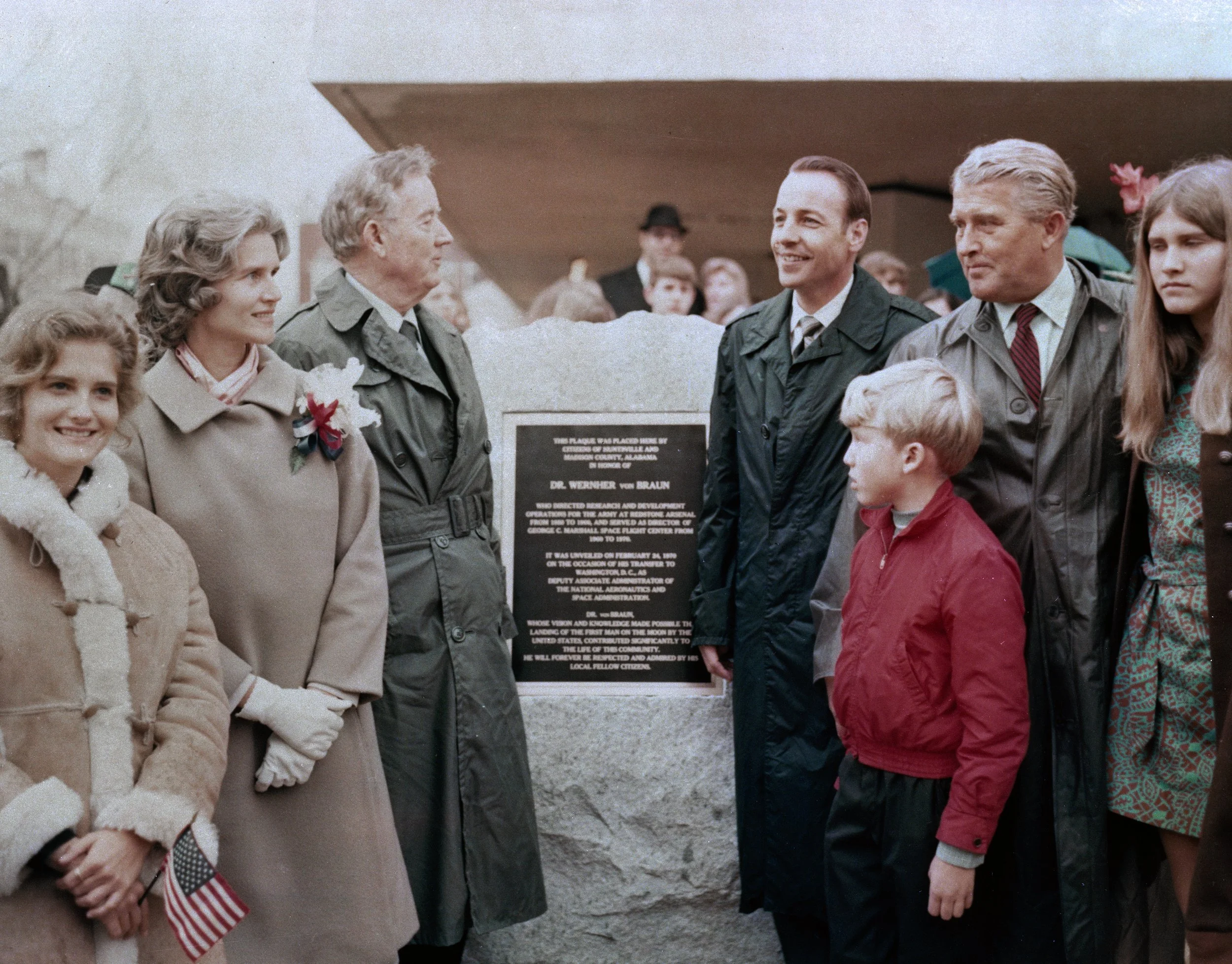
Von Braun received the Distinguished Public Service Medal from NASA, recognizing his contributions to the US space program.
Image: NASA/MSFC
-
![]()
1972
Departure from NASA
Von Braun left NASA, feeling that his vision for future space exploration was not being adequately supported. He had advocated for a more ambitious program of lunar exploration and the development of reusable spacecraft.
Image: NASA

-
Project Horizon: Nukes and shotguns on the moon
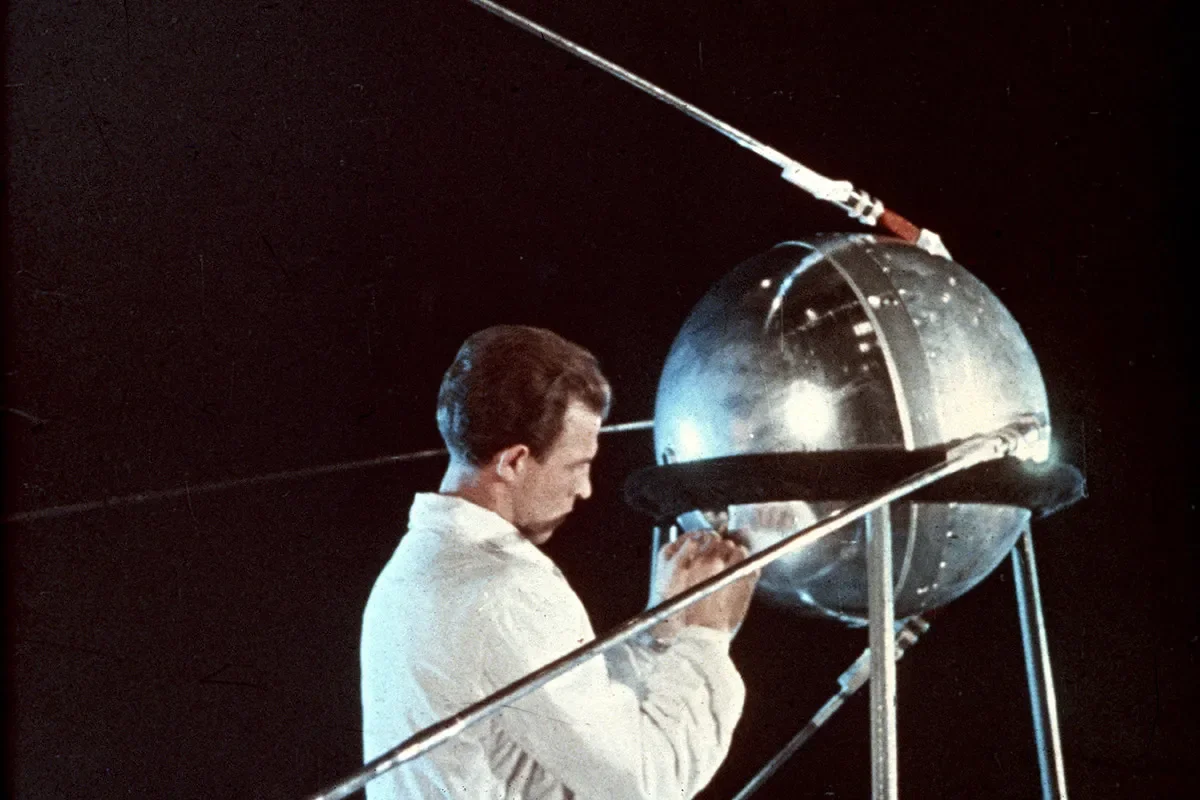
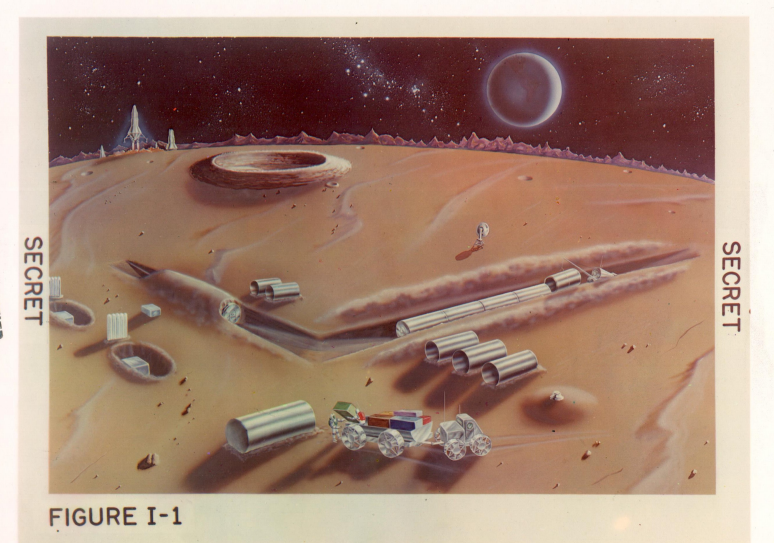
The project, which began in 1959, was essentially the U.S. Army’s attempt to colonize the moon, build outposts, and claim it for America! The formerly secret project is now available to the world to discover, and it’s truly fascinating.
The Army’s plan had a bit of everything, including comms, food, and a schedule that would have us conquering the moon by 1964.
The goal was to establish a moon outpost that could support life and communicate with Earth. The period after WWII was a time of American excellence when anything seemed possible. This was also a time were we raged against the communists in everything we did, and that included Project Horizon.
-
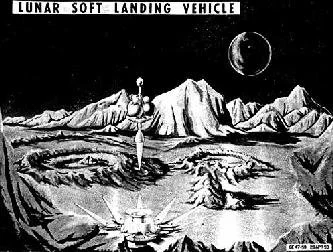
Project Horizon Report: A U. S. Army Study for the Establishment of a Lunar Outpost
“I envision expeditious development of the proposal to establish a lunar outpost to be of critical importance to the U. S. Army of the future. This evaluation is apparently shared by the Chief of Staff in view of his expeditious approval and enthusiastic endorsement of initiation of the study. Therefore, the detail to be covered by the investigation and the subsequent plan should be as complete as is feasible in the time limits allowed and within the funds currently available within the office of the Chief of Ordnance. In this time of limited budget, additional monies are unavailable. Current programs have been scrutinized rigidly and identifiable "fat" trimmed away. Thus high study costs are prohibitive at this time.”
-
NASA's First 50 Years Historical Perspectives
This document, edited by Steven J. Dick, is a compilation of proceedings from NASA's 50th-anniversary conference held in October 2008. It offers historical perspectives on the agency's first half-century, from 1958 to 2008.
-
An Illustrated Chronology of the NASA Marshall Center and MSFC Programs
This illustrated chronology details the activities of the NASA Marshall Space Flight Center (MSFC) and its programs from 1960 to 1973, with some background information extending to 1957 and postscript information up to May 1974.
-
Wernher von Braun on Traveling to Mars
-
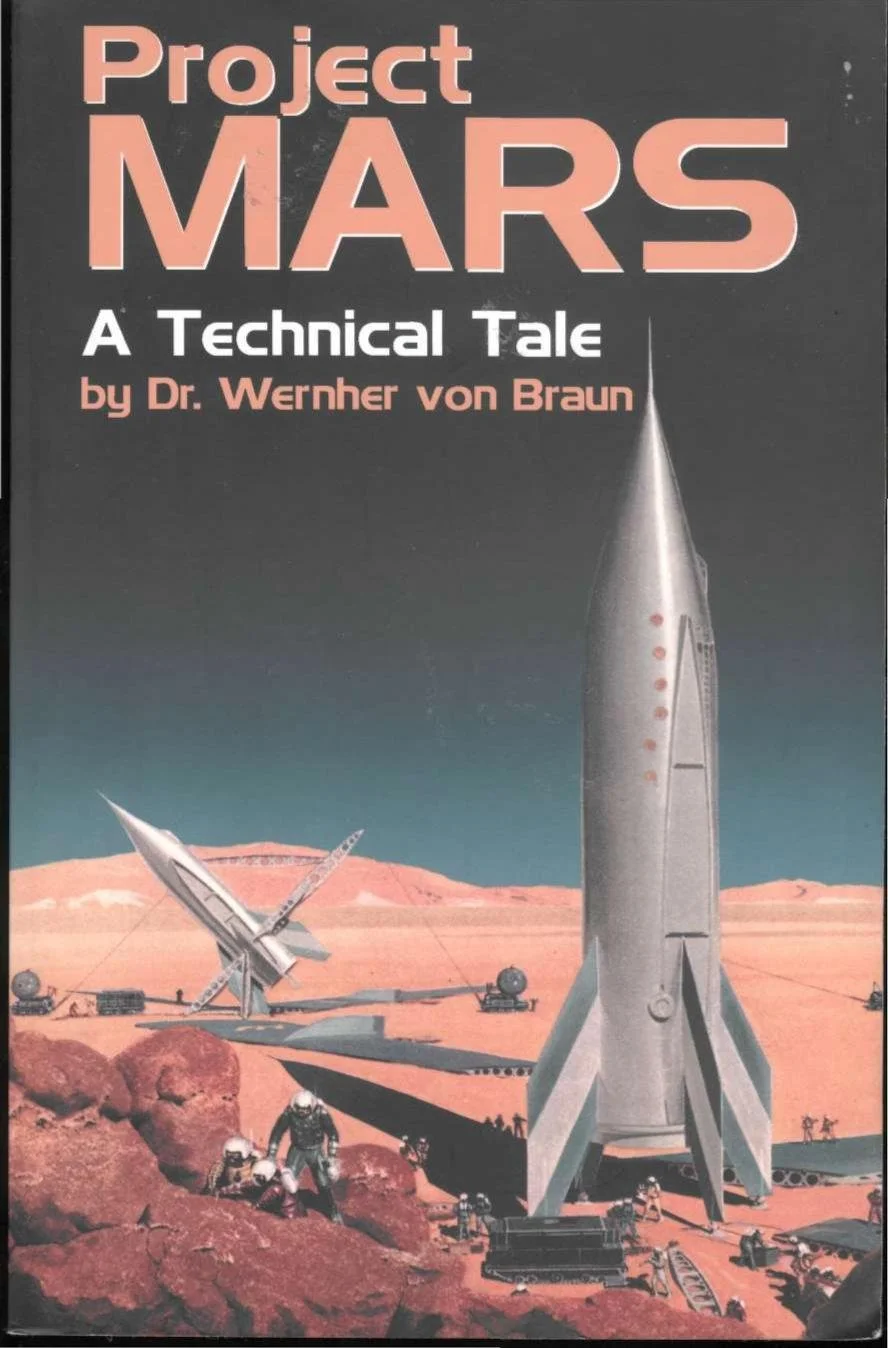
Project Mars: A Technical Tale
by Dr. Wernher von Braun