
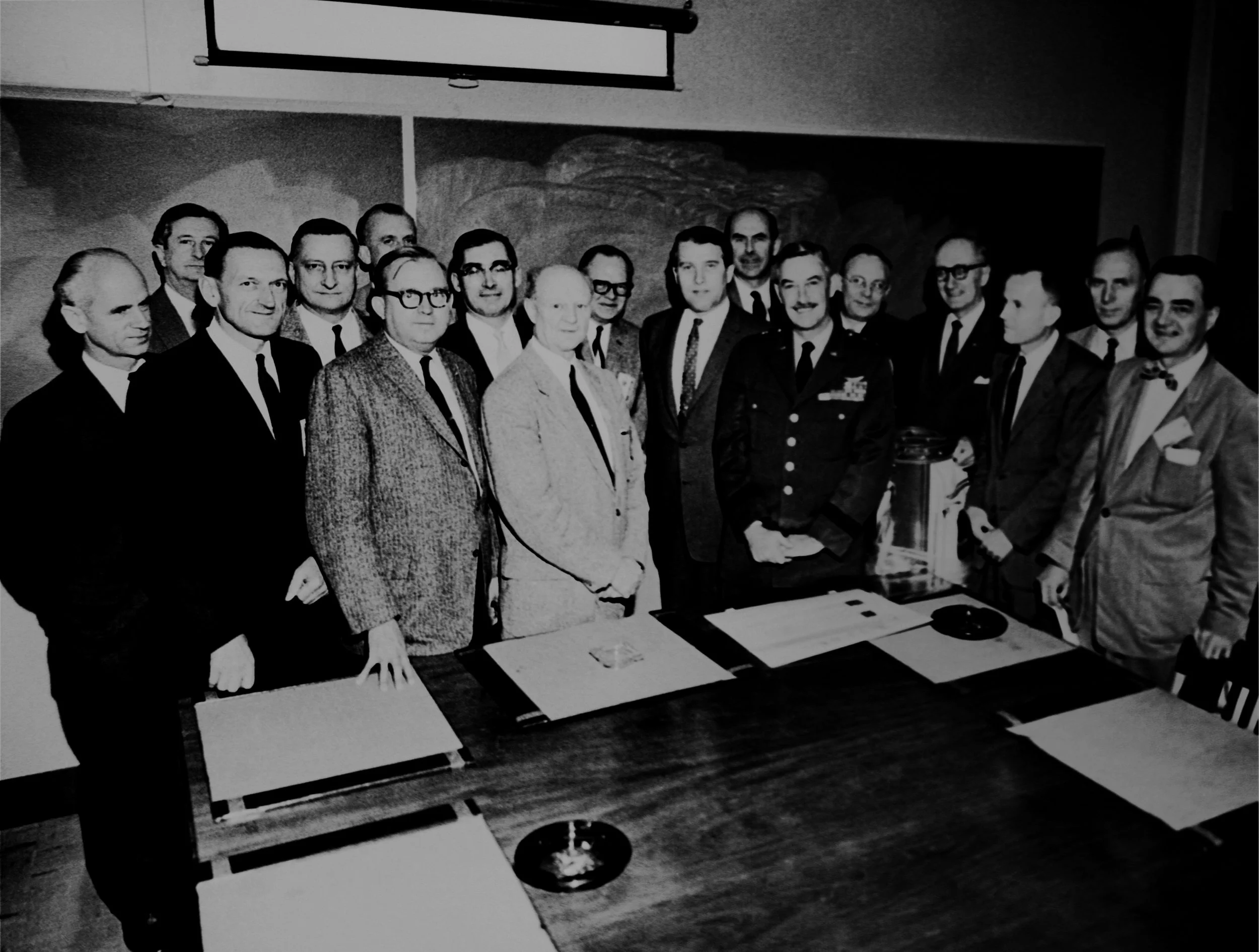
The Men
Most historians conclude that the lunar missions of the Apollo Program could not have been possible without the leadership and experience provided by a core of engineers, scientists and managers transplanted from Europe to the Unites States after World War II.
From Transplanted Rocket Pioneers by Charles A Lundquist, University of Alabama in Huntsville
Featured below are the five legendary scientists that appear in the play.
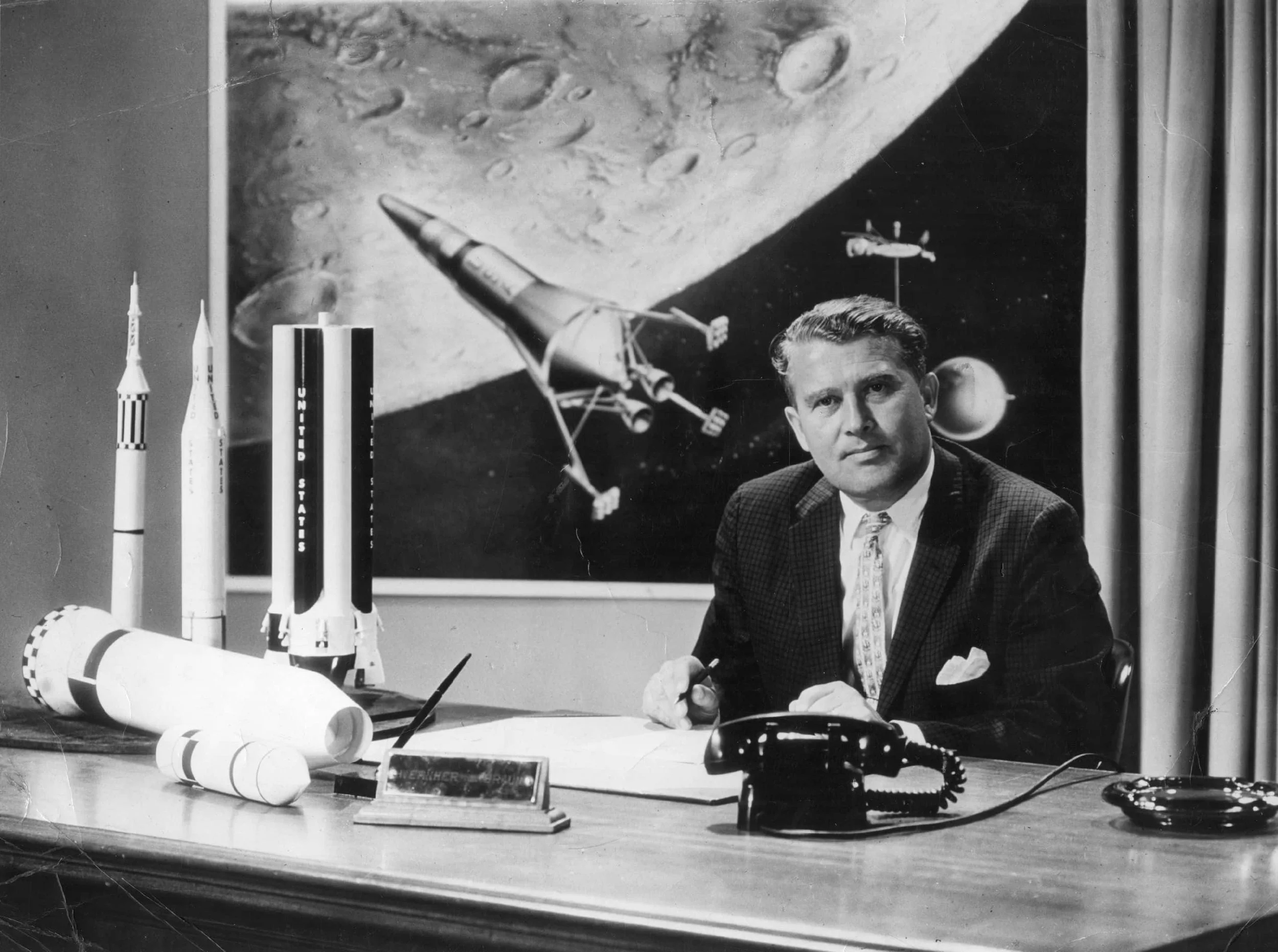
Wernher Von Braun
Wernher von Braun is a highly controversial figure widely seen as escaping justice for his awareness of Nazi war crimes due to the Americans' desire to beat the Soviets in the Cold War. He is also sometimes described by others as the "father of space travel", the "father of rocket science", or the "father of the American lunar program". He advocated a human mission to Mars.
He was a member of the Nazi Party, and later a pioneer of rocket and space technology in the United States.
He helped design and co-developed the V-2 rocket at Peenemünde Army Research Center during World War II. Following the war, he was secretly moved to the United States as part of Operation Paperclip. He worked for the US Army on an intermediate-range ballistic missile program, and he developed the rockets that launched the first US space satellite, Explorer 1. He served as director of the newly formed Marshall Space Flight Center at NASA and as chief architect of the Apollo program’s Saturn V launch vehicle. In 1967 he was inducted into the National Academy of Engineering, and in 1975 received the National Medal of Science.
-
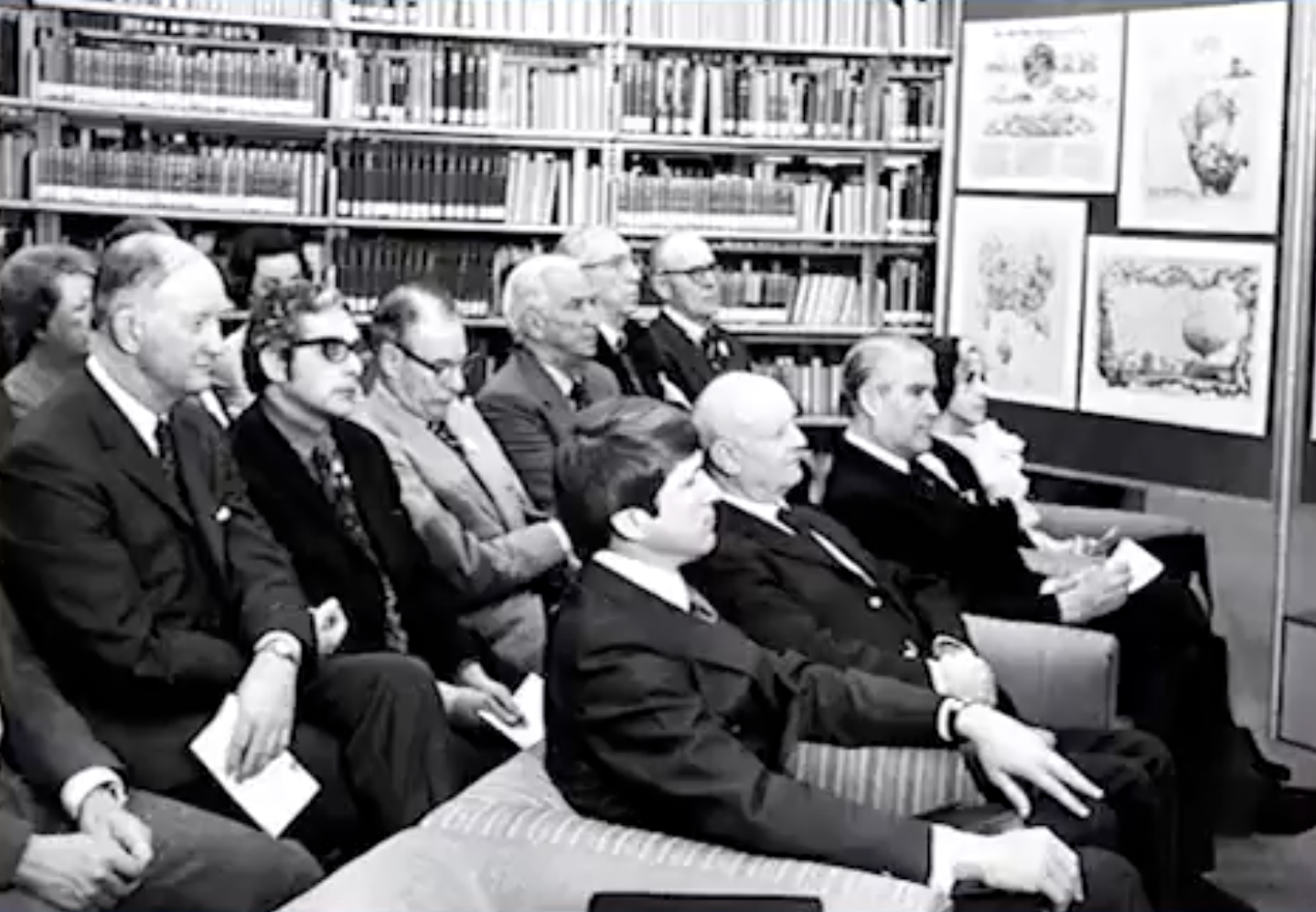
A Visionary's Influence on The University of Alabama in Huntsville: UAH Celebrates Wernher von Braun
A celebration of von Braun hosted at the Salmon Library. Featuring Charles Lundquist, Frederick Orway III, with introductions by David Moore. Includes performance on piano of works composed by von Braun.
-
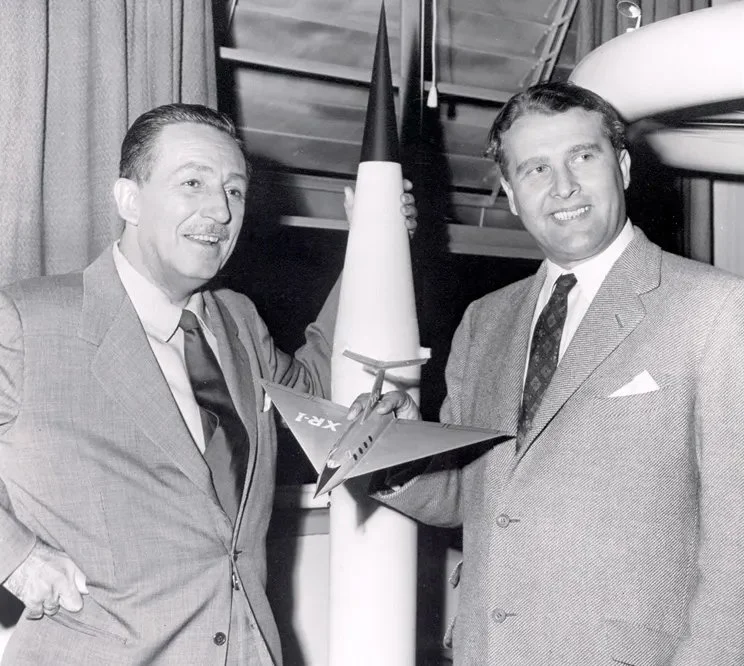
Walt Disney and Wernher von Braun
In this historical photo from the U.S. space agency, Werhner von Braun, then Chief, Guided Missile Development Operation Division at Army Ballistic Missile Agency (ABMA) in Redstone Arsenal, Alabama, was visited by Walt Disney in 1954. In the 1950's, von Braun worked with Disney Studio as a technical director, making three films about space exploration for television.
-
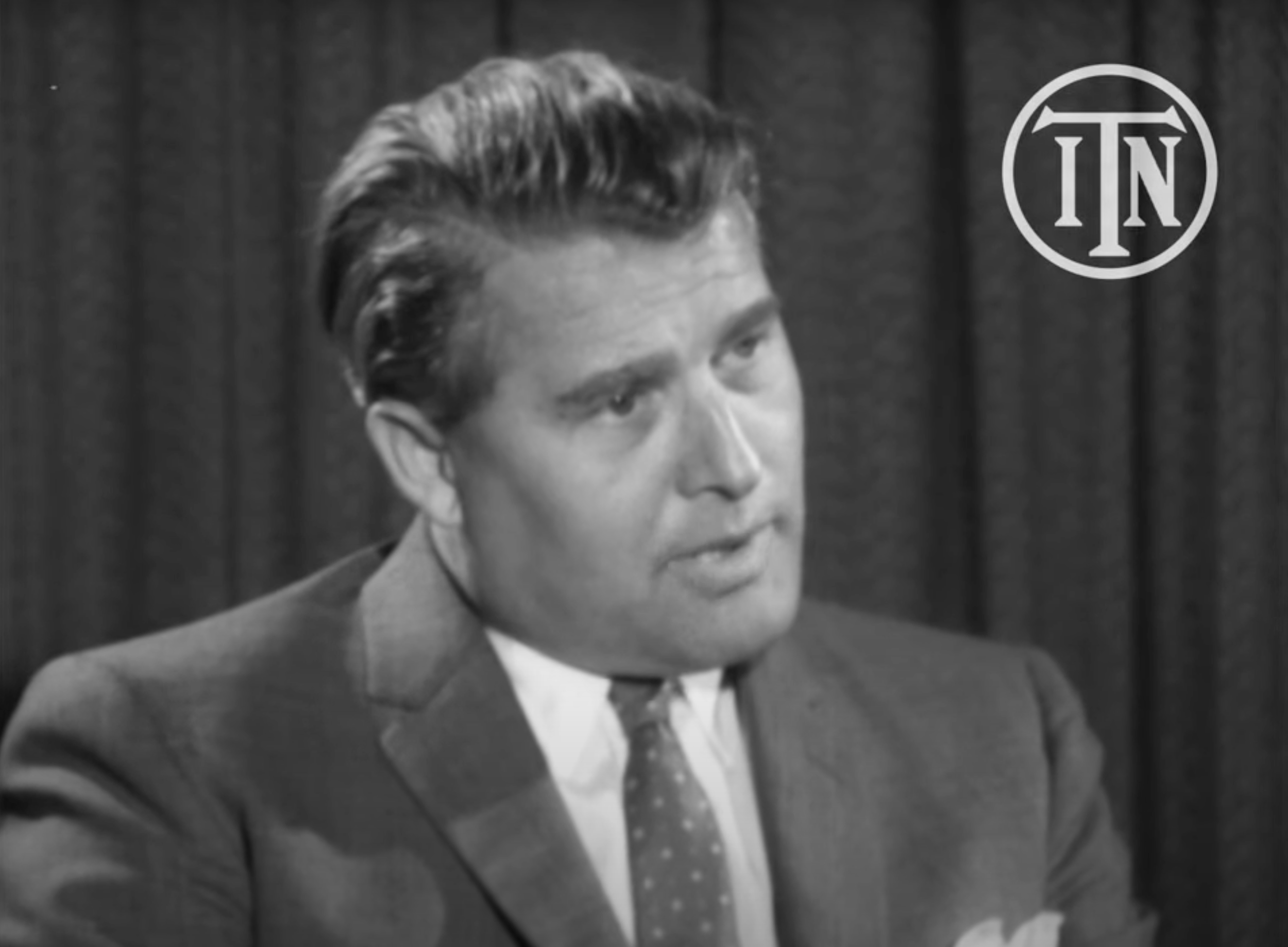
The Man Who Built Hitler's Rockets | Wernher von Braun Interview
On 8 September 1959, rocket scientist Wernher Von Braun was interviewed by ITN's Brian Connell, who asked the man behind Nazi Germany's V1 and V2 rockets whether he felt embarrassed about coming to London, where his creations had terrorised civilians during the Second World War. Connell also asked von Braun what he was working on in the United States, where he had since settled as an American citizen. The rocket scientist discussed his work on the American space programme, which would in time earn him the title of "father of space travel".
-
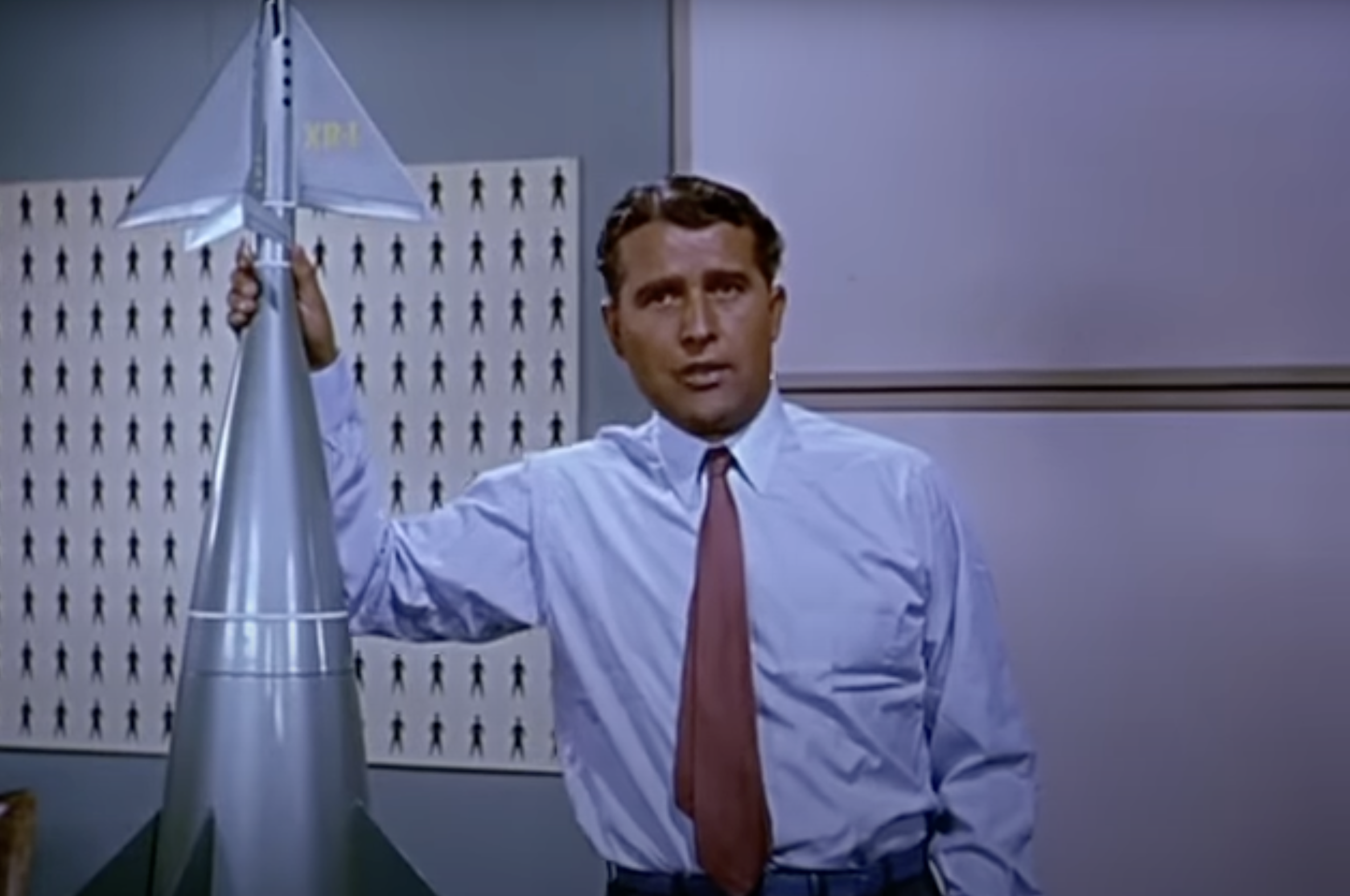
Disneyland 1955 - Man in Space - Wernher von Braun
In 1955, Disney aired a series of educational films discussing the possible future of spaceflight. This particular instance is very interesting, as we see here Dr. Wernher von Braun had a design ready to go for a large launch vehicle. Remember that in 1955, no human being or man made object had been into space. Sputnik, the first artificial satellite, would not launch until 1957.
"Man in Space" is an episode of Disneyland which originally aired on March 9, 1955. It was directed by Disney animator Ward Kimball. This Disneyland episode (set in Tomorrowland), was narrated partly by Kimball and also by such famed scientists as Dr. Willy Ley, Dr. Heinz Haber, Dr. Wernher von Braun and Dick Tufeld of Lost in Space fame. The show talks briefly about the lighthearted history of rockets and is followed by discussions of satellites, a practical look (through humorous animation) at what spacemen will have to face in a rocket (both physically and psychologically, such as momentum, weightlessness, radiation, even space sickness) and a rocket takeoff into space.
-
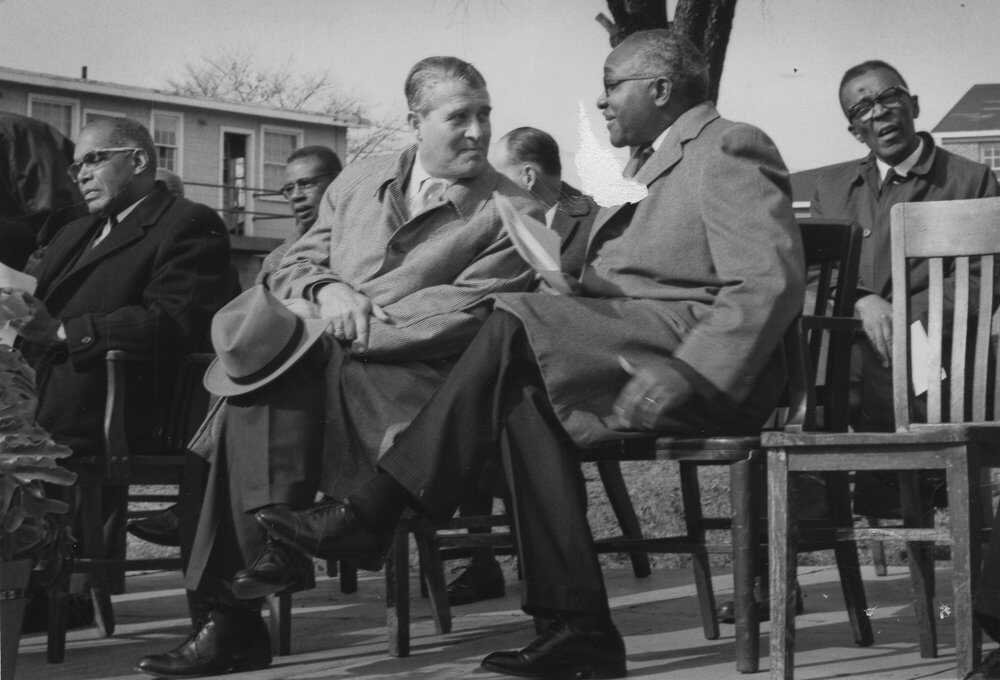
Wernher von Braun’s Record on Civil Rights
Webb and von Braun met Wallace with a full-on NASA extravaganza. Von Braun corralled the governor, the legislators and the press into a holding area and treated them to a rare and explosive show—a static firing of the Saturn V rocket’s first stage. This was just like an Apollo rocket launch with all the suspense, the countdown and all the noise, just without the launch itself. Afterwards, while everyone stayed in the visitors’ area “for safety reasons,” von Braun and Webb walked out and lectured their captive audience about race. Alabama needed to offer all the same opportunities as other states, von Braun remarked. “The era belongs to those who can shed the shackles of the past,” he said, which the New York Times took as a reference to slavery. Wallace never came back to Huntsville for the remainder of NASA’s mission to the Moon.”
-
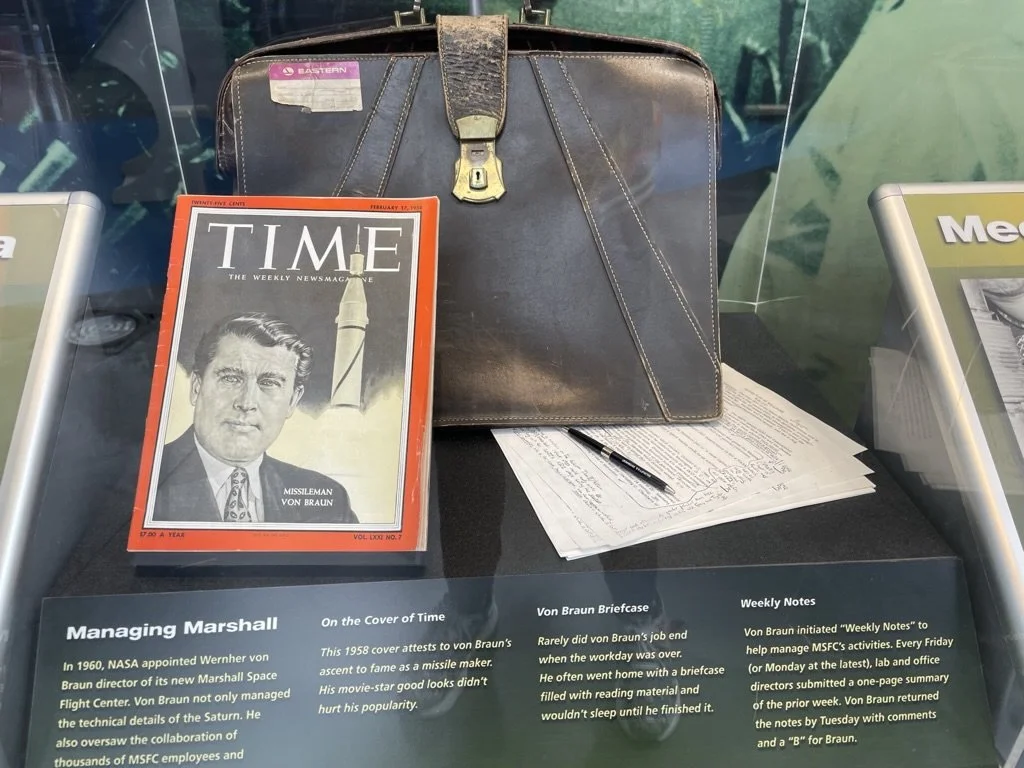
Von Braun's work satchel and cover story on Time Magazine, as referenced in the play, on view at the U.S. Space and Rocket Center in Huntsville, Alabama.
-

Mr. von Braun's Wild Ride! - How Wernher von Braun and Walt Disney Imagineered Spaceflight
When Walt Disney wanted to build a vision of the future for Disneyland's Tomorrowland in the 1950s, he turned to Wernher von Braun, former Nazi rocketeer turned US citizen and missile chief, to help design it. Along the way, the two men co-created a series of visionary shows about spaceflight for Disney's weekly TV show. Boeing engineer and space history expert John Rose joins us to discuss this unique and unlikely collaboration and how its effects resonate to this day.
-
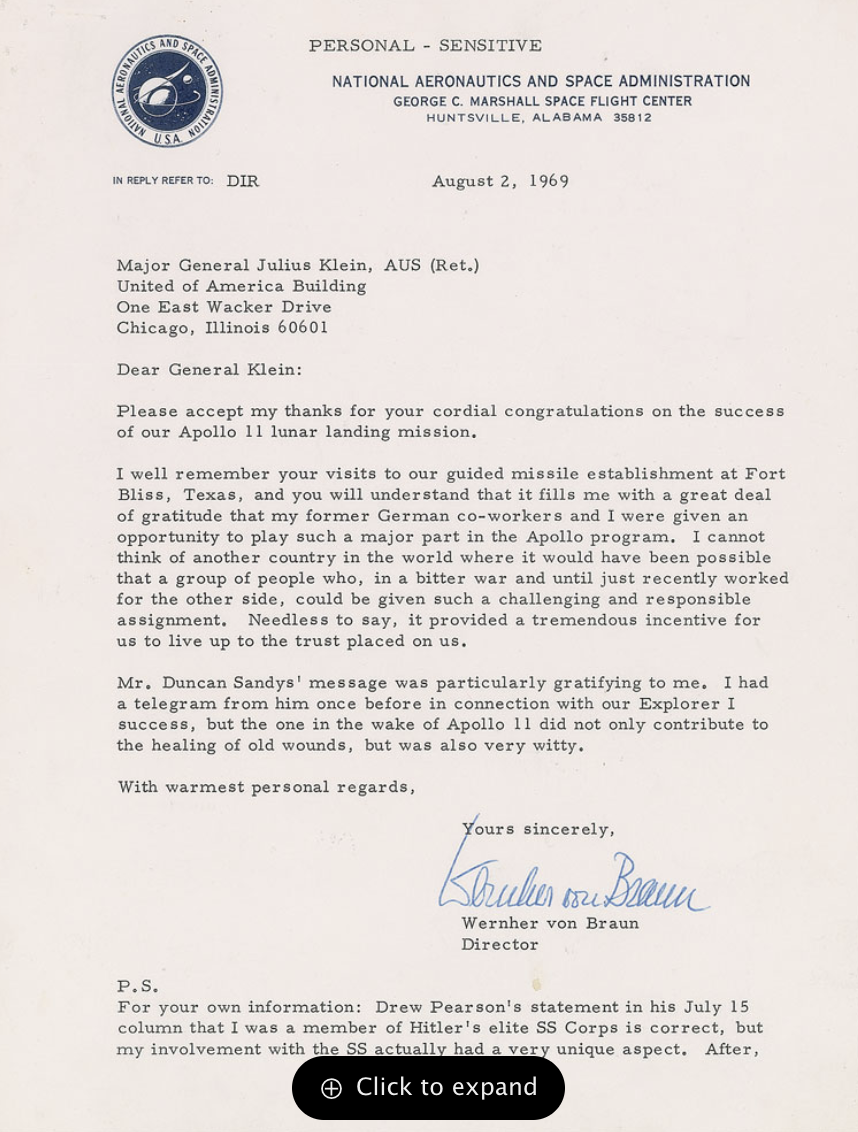
Apollo 11: Wernher von Braun 1969 Typed Letter
Two weeks after the lunar landing, von Braun reveals his past: “I was a member of Hitler's elite SS Corps”
-
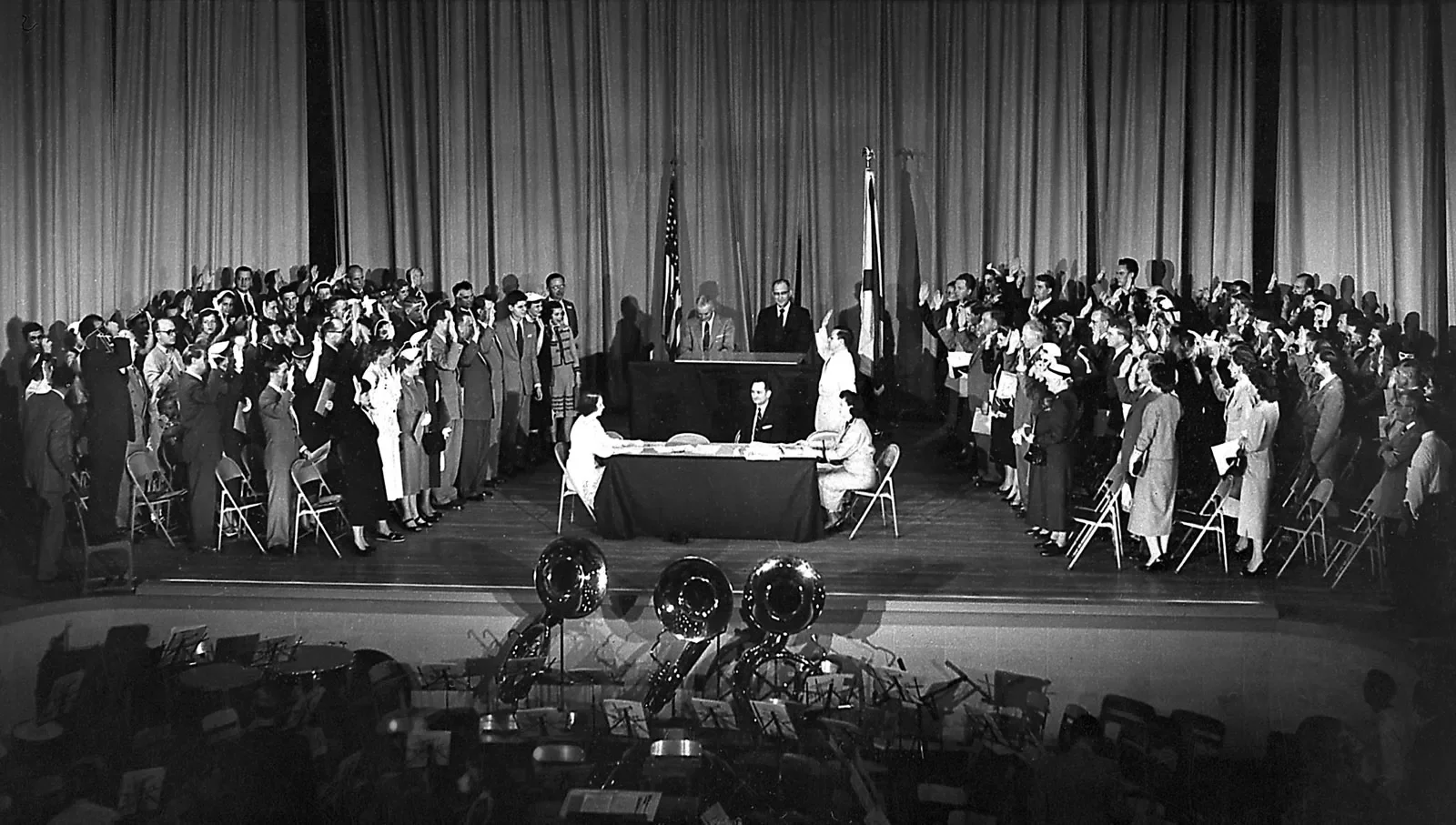
A U.S. citizenship swearing-in ceremony at Huntsville High School, Alabama, which involved a number of German-born scientists, including Wernher von Braun, April 14, 1955.
Heinz-Hermann Koelle
German engineer who made the preliminary designs on the rocket that would emerge as the Saturn I. Closely associated with the Wernher von Braun team in Huntsville, Alabama. Part of the launch crew on Explorer 1. Later directed the Marshall Space Flight Center’s Project Apollo. In 1965, disillusioned, he returned to Germany and accepted the Chair of Space Technology at Technische University Berlin.
-
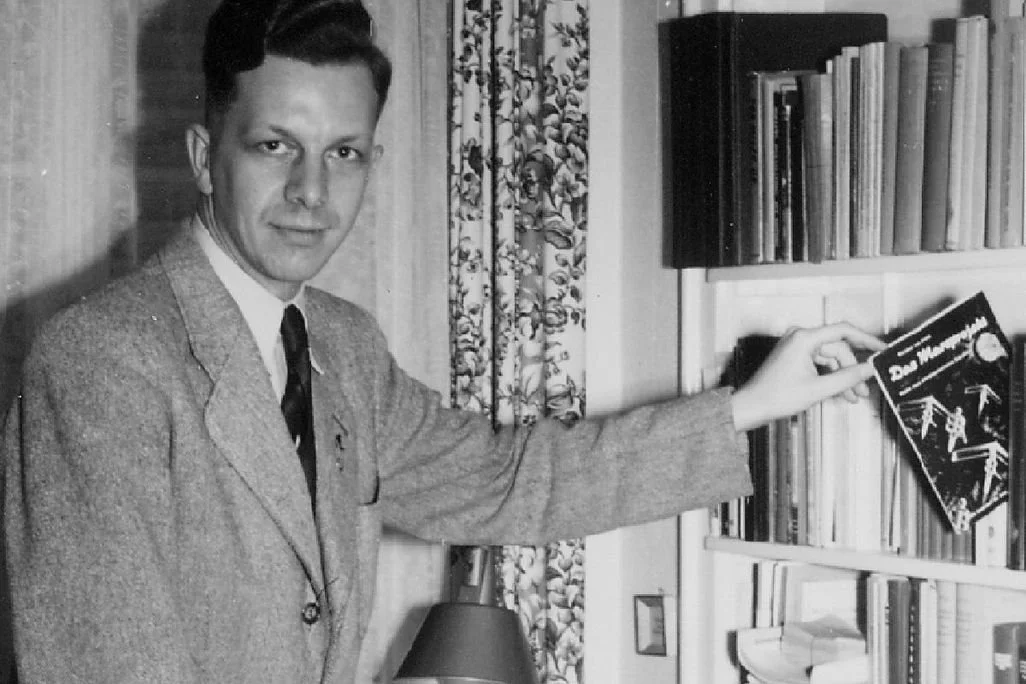
Hermann Koelle, the Most Important German Rocket Scientist You’ve Probably Never Heard Of
One of the most essential German members of the Saturn team—Heinz-Hermann Koelle—didn’t arrive with the original group captured by U.S. agents in 1945. He joined them in Huntsville, Alabama, almost a decade later, when work on the first American rockets was already well under way. That may account for the fact that very few people remember his name today. Although Koelle was 13 years younger than von Braun, they had much in common. Both were intense dreamers in their youth, captivated by the promise of spaceflight. Their personalities were different, however, and their careers took quite different paths. Von Braun was gregarious, and did not mind the limelight. Koelle, even well into his NASA career, granted very few interviews to the press.
-
“Without making use of the resources of space, life on this planet will become difficult in the long run.”
Koelle was an effective writer and was the author or co-author of over 300 publications. He assisted Dr. von Braun in publishing von Braun’s book “The Mars Project.” According to Lundquist and Williams in their research article “Heinz-Hermann Koelle and his contributions to space development,” Koelle “could skillfully organize, consolidate, and clearly present large bodies of factual information.” These skills made him a powerful force for space exploration endeavors. Koelle was very focused on the survival of civilization and believed in the importance of lunar and Mars exploration to that end. He stated, “Without making use of the resources of space, life on this planet will become difficult in the long run.”
Interview credit: Resonance Publications, Inc.
-
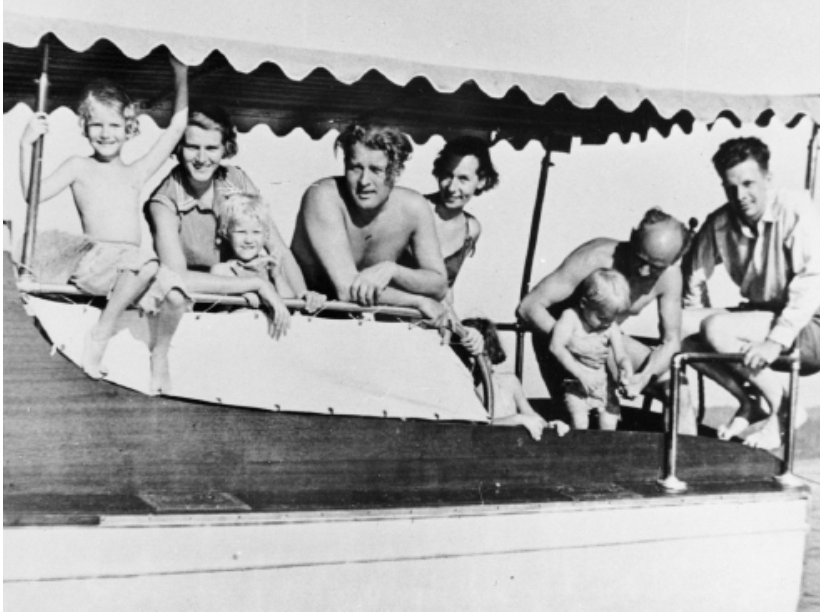
Friends with von Braun
Heinz Koelle, at far right, with Wernher von Braun and Maria, at left with daughters Iris and Margrit, relax with Irmgard and Ernst Stuhlinger (holding his son Tillman), at center, on a 1955 outing on the Tennessee River near Huntsville.
Image credit: U.S. Space & Rocket Center
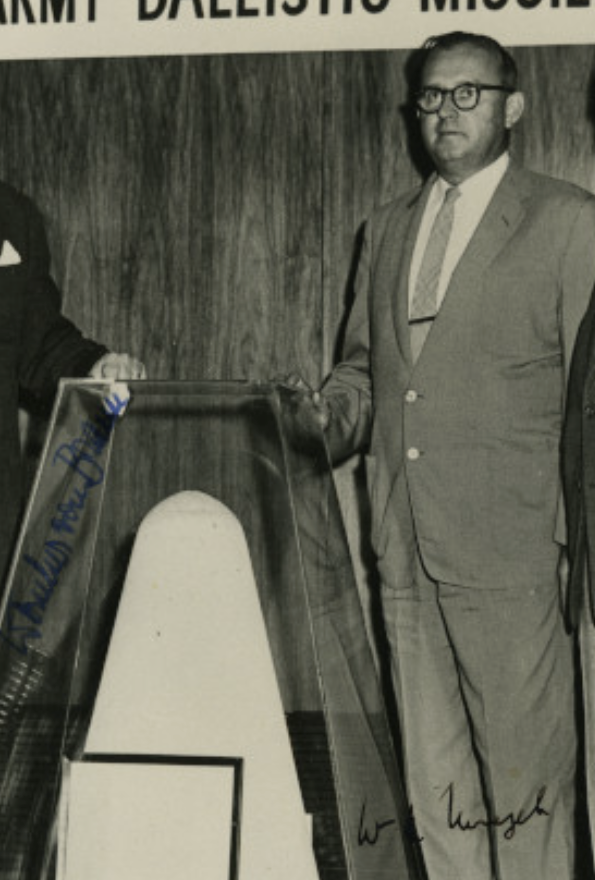
William A. Mrazek
William Anthony Mrazek received his education at Deutsche Technische Hochschule, Brünn, Germany, graduating with an engineering diploma in 1935. Mrazek worked with Wernher von Braun at Peenemünde from 1941 to 1945 as a loads engineer. He was brought to America through Operation Paperclip, moved to Huntsville, Alabama in 1950, and worked for the U.S. Army’s rocket programs until 1960.
By 1960, Mrazek became Director, Structures and Mechanics Division at the George C. Marshall Space Flight Center, and by February 1969, he became the Assistant Director for Engineering for Industrial Operations. He later served as the Chief Engineer for all Saturn development and fabrication work, reporting to the Saturn V Project Manager from 1965 to 1970.
Mrazek retired from the Marshall Space Flight Center in 1973.
-
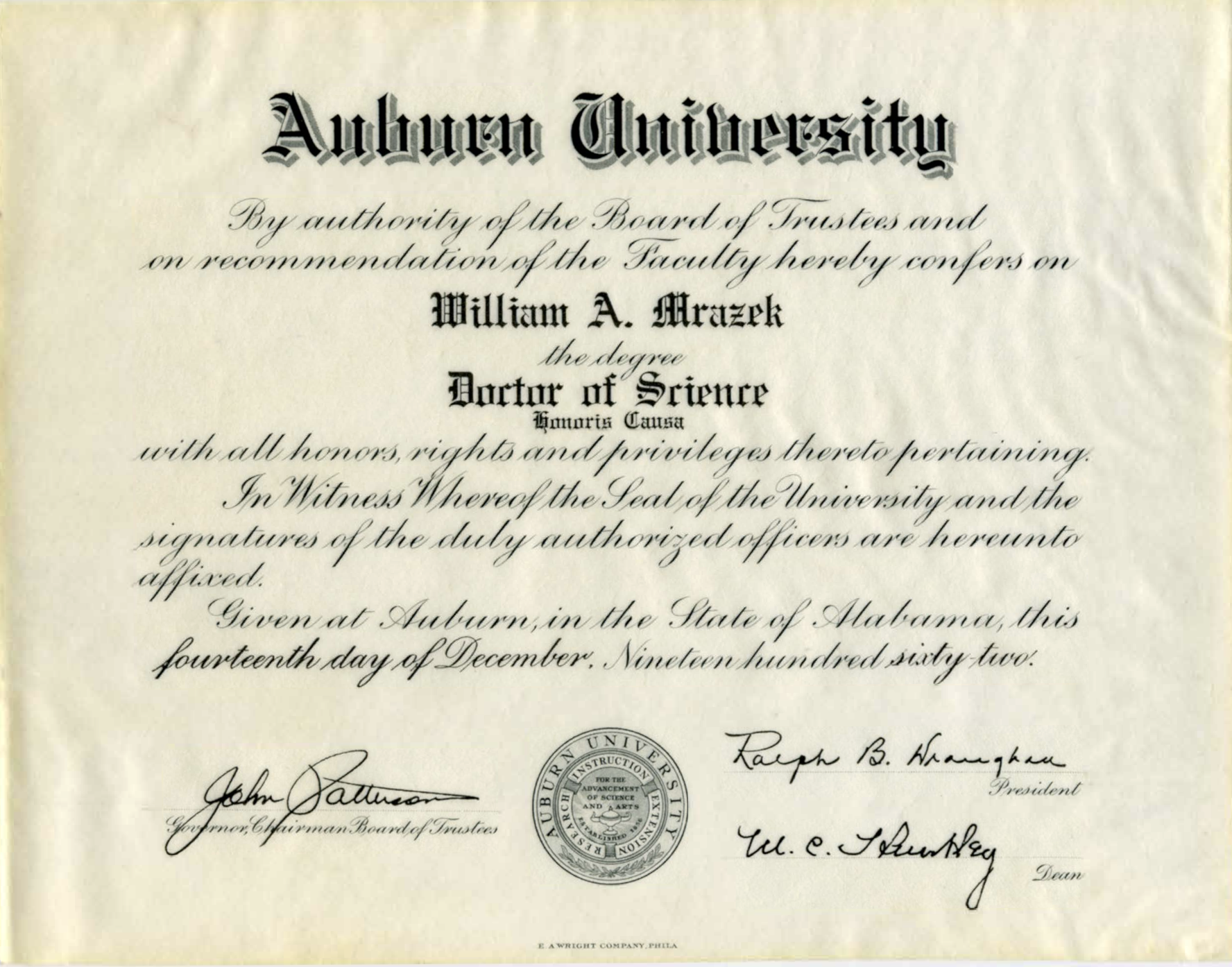
William A. Mrazek Collection
University of Alabama in Huntsville collection of documents and photos
-
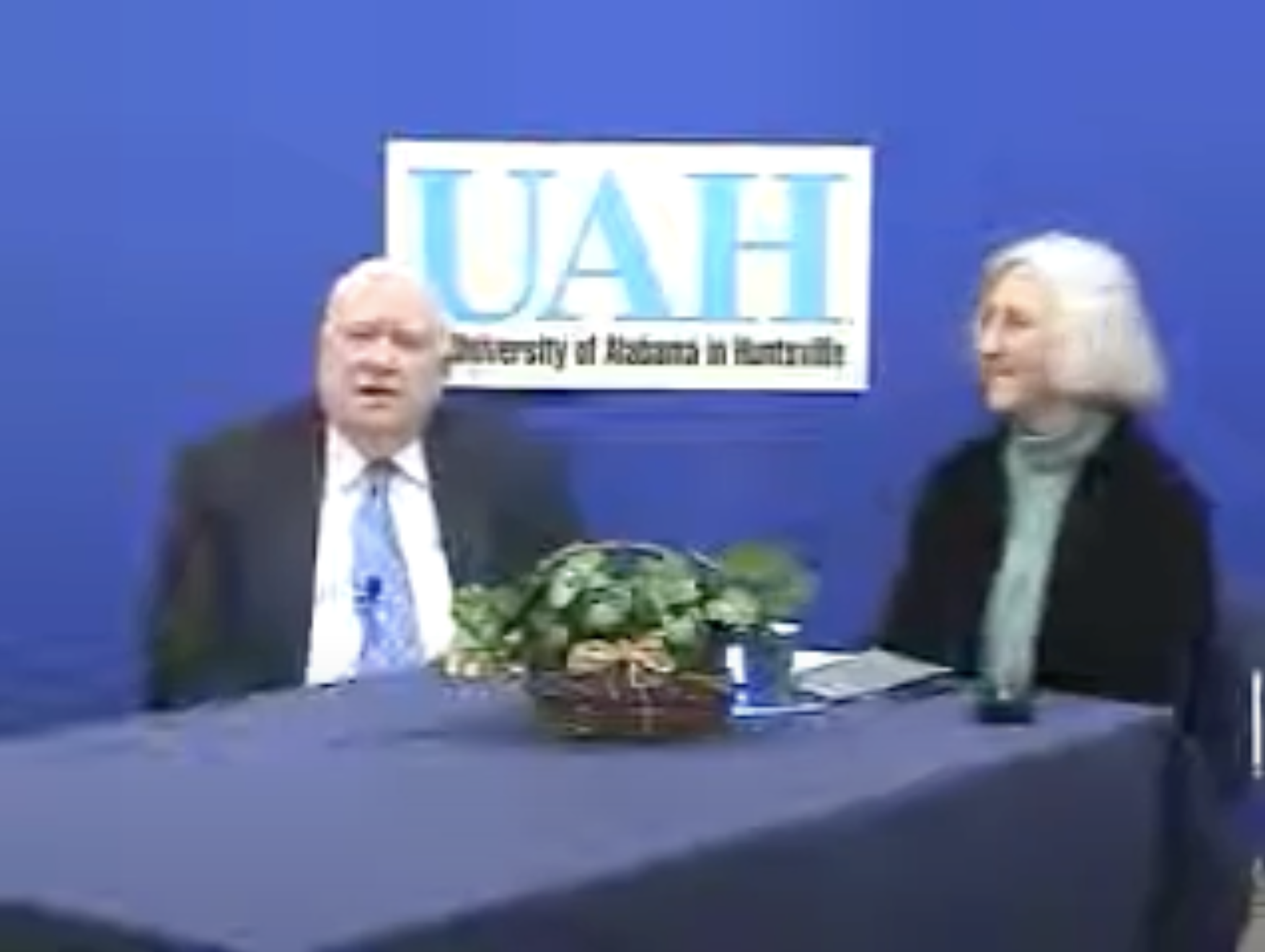
Ursula Mrazek Vann: Space History Interviews
Interview by Dr. Charles Lundquist on March 8, 2007
Helmut Hoelzer
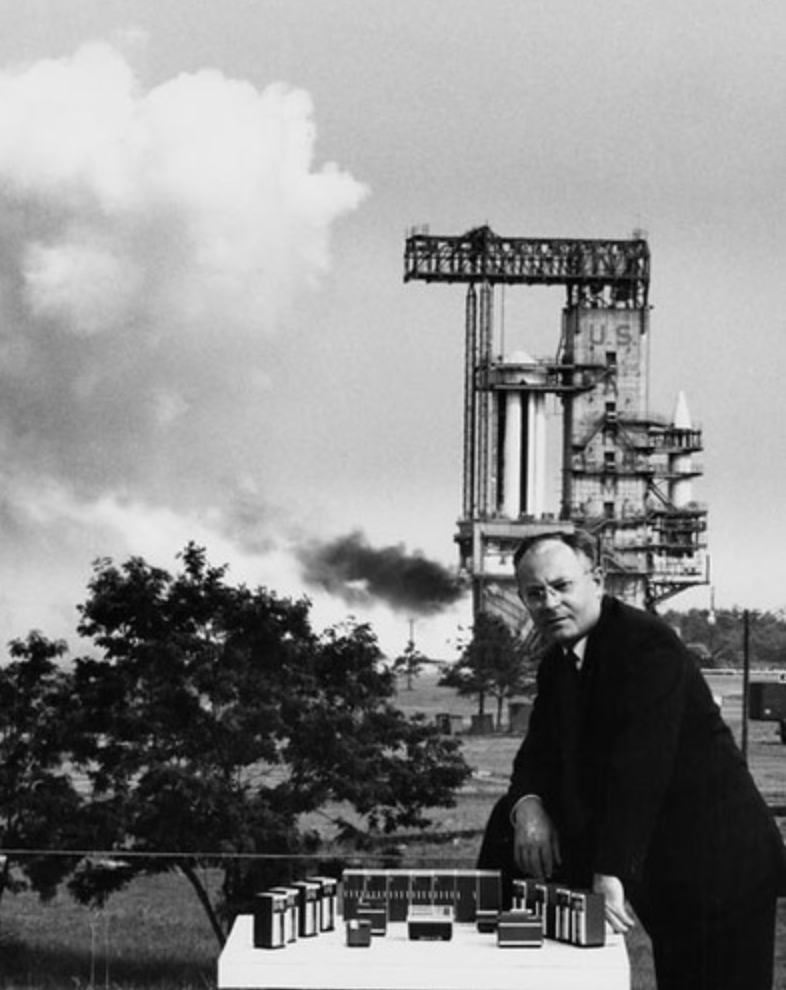
Nazi Germany V-2 rocket engineer brought to the United States as part of Operation Paperclip. Former director of the Computation Division at Marshall Space Flight Center. Inventor and constructor of the world's first electronic analog computer.
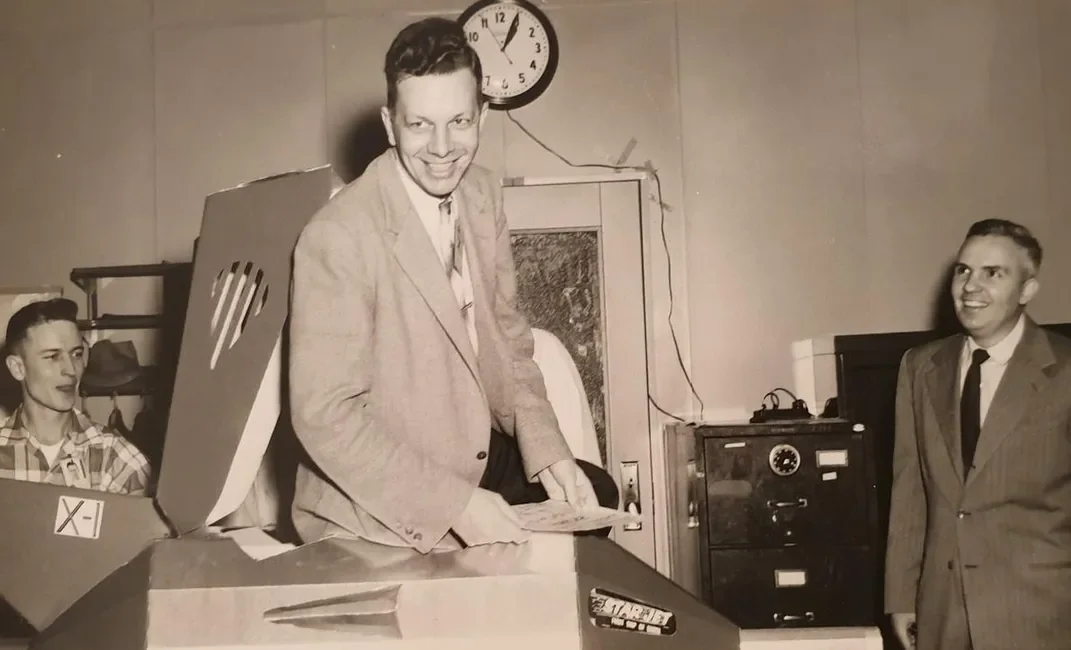
Image: Against the flame and roar of Saturn's huge 30-million-hp super-booster is the scientist who directs computation of test-firing results, Dr. Helmut Hoelzer, with a model of the new IBM 7090 computer that will enable his space-team associates to explore new areas of rocket engine research, applying the most powerful computing ability in the United States space program to analysis of rocket vibration, heat transfer, and dozens of other elements.
-
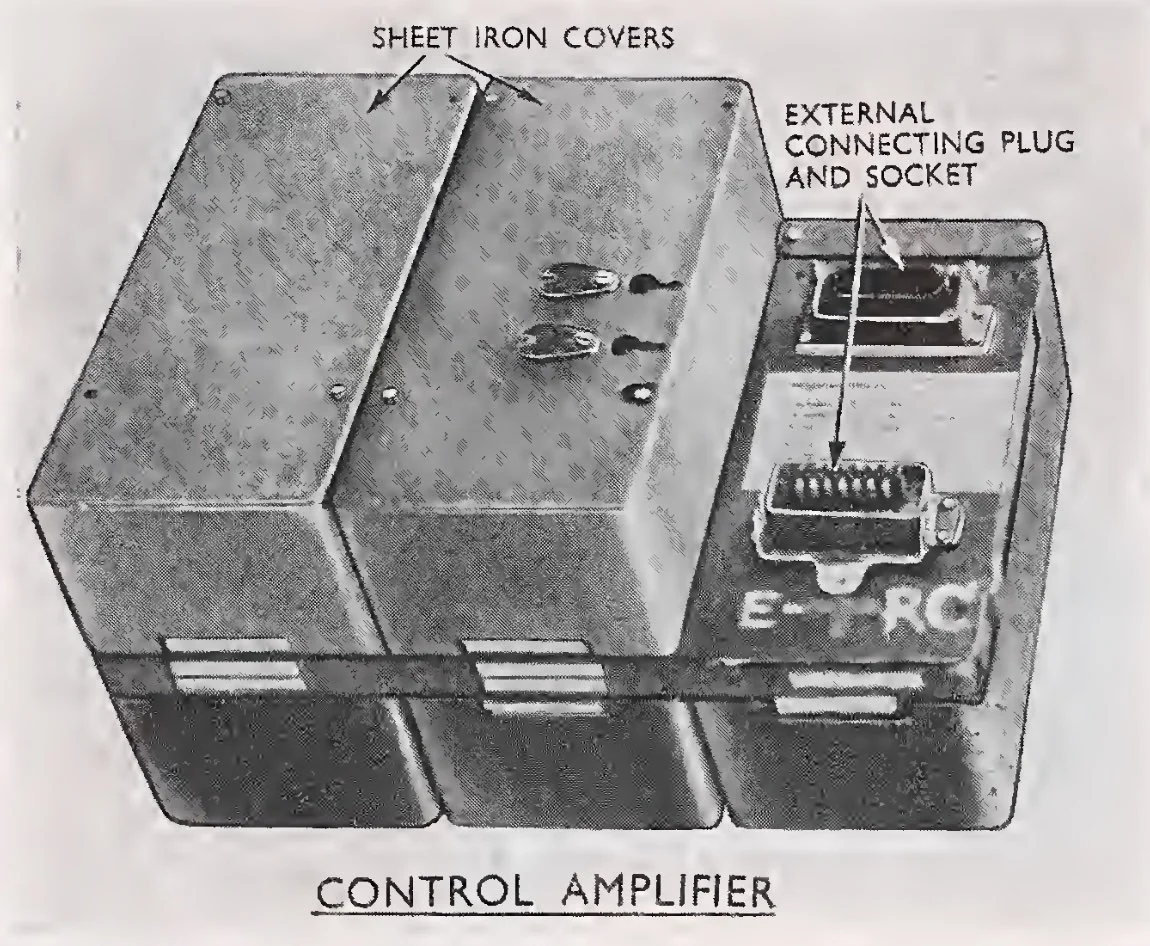
Mischgerät (V-2 guidance computer)
Designed in 1941 by Helmut Hölzer, the Mischgerät (mixer device) was the first fully electronic computing device, used to implement Hölzer’s V-2 rocket stability control equation during powered flight.
-
Interview with Helmut Hoelzer: General Saturn development and problems and the contributions of the Computation Lab
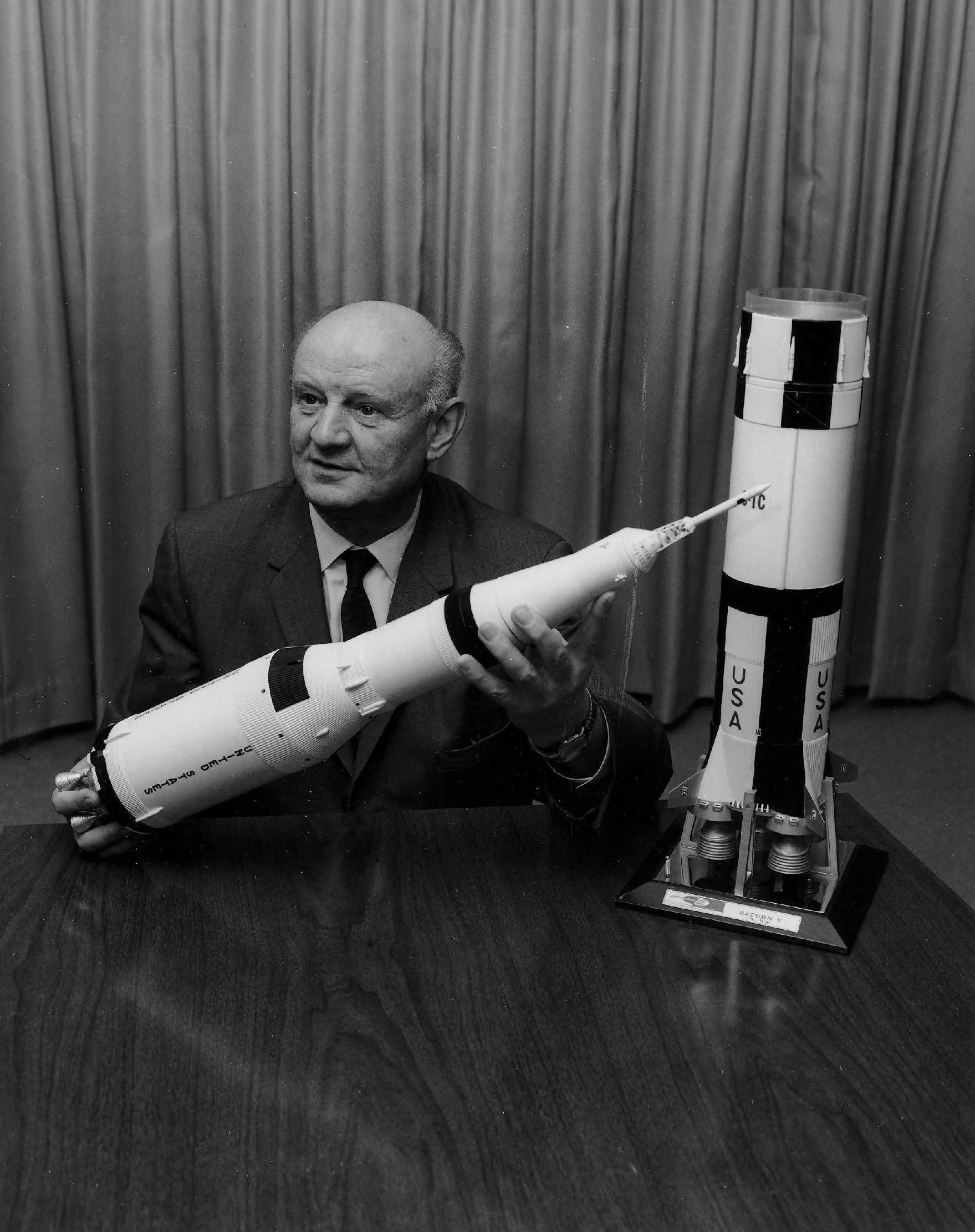
Hermann Oberth (June 25, 1894, died December 29, 1989) was one of the foremost rocket theorists of the 20th century, responsible for the theories that govern the rockets that loft payloads and people to space. He was a visionary scientist inspired by science fiction. Oberth left a mixed legacy due to his involvement in the development of V-2 rockets for Nazi Germany, which killed several thousand in Great Britain during World War II. However, in later life, Oberth helped to develop rockets for the U.S. army, and his work contributed to the development of the U.S. space program.
Arthur Rudolph
In charge of V-2 rocket production at Peenemunde, eventually moved to the German Mittlewerk facility, where labor was provided by prisoners housed at the Mittelbau-Dora Concentration Camp. Once the war ended, Rudolph was brought to Fort Bliss, Texas with other members of the rocket team and officially immigrated on April 14, 1949. In June 1950, the rocket team was transferred to Redstone Arsenal, Huntsville, Alabama. Moved to NASA in 1961, later became Project Director for the Saturn V program, developing the mission plan for the Apollo program.
-
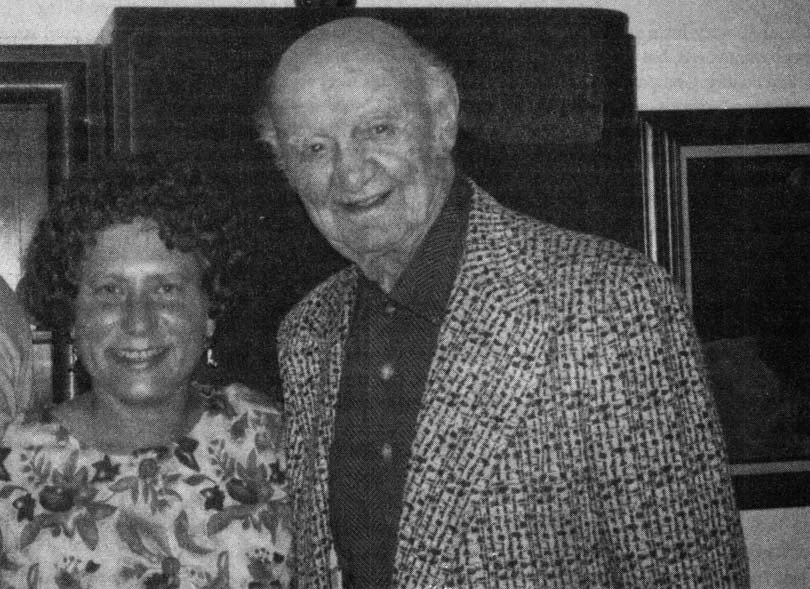
A r t hur Rudolph, space pioneer
On Jan. 1, the man who built the Saturn V rockets that took Americans to the Moon, Arthur Rudolph, passed away in Hamburg, Germany, at the age of 89. He had come to the United States with Wernher von Braun at the end of the Second World War, and had become an American citizen in the mid-1950s, while he was working for the U.S. Army developing the missiles for NATO deployment in Western Europe.
With his transfer in 1961 to the Marshall Space Flight Center in Huntsville, Alabama, operated by the National Aeronautics and Space Administration (NASA), Rudolph was given the task by von Braun of managing the largest, most complex research, development, and manufacturing job in history-the Saturn V Moon rocket. After the successful lunar landing of the first Apollo mission, and having received NASA's highest awards, Rudolph retired from the space agency at the end of 1969.
-
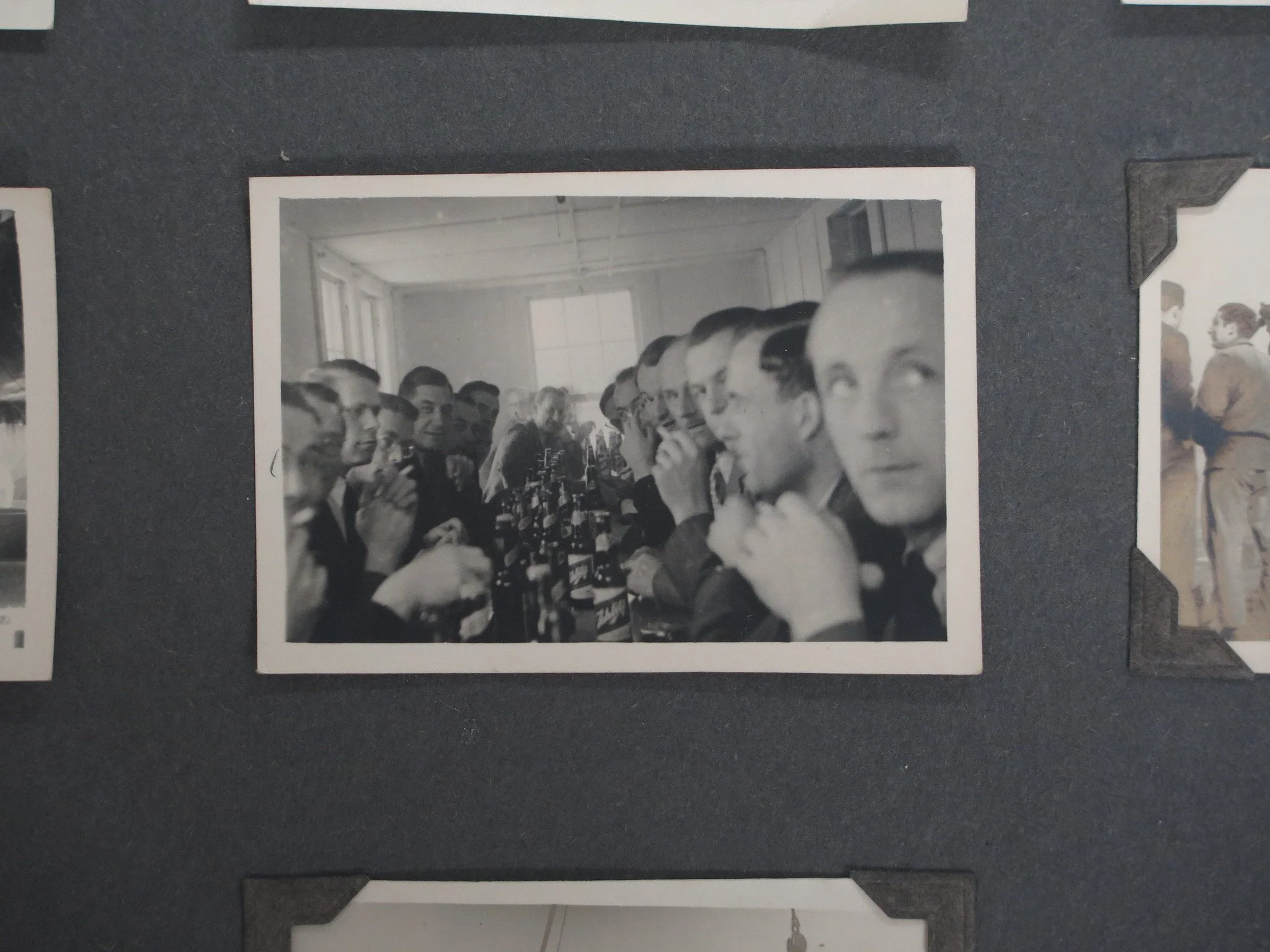
Arthur Rudolph's Photos of Operation Paperclip Team's Arrival in New York City
-
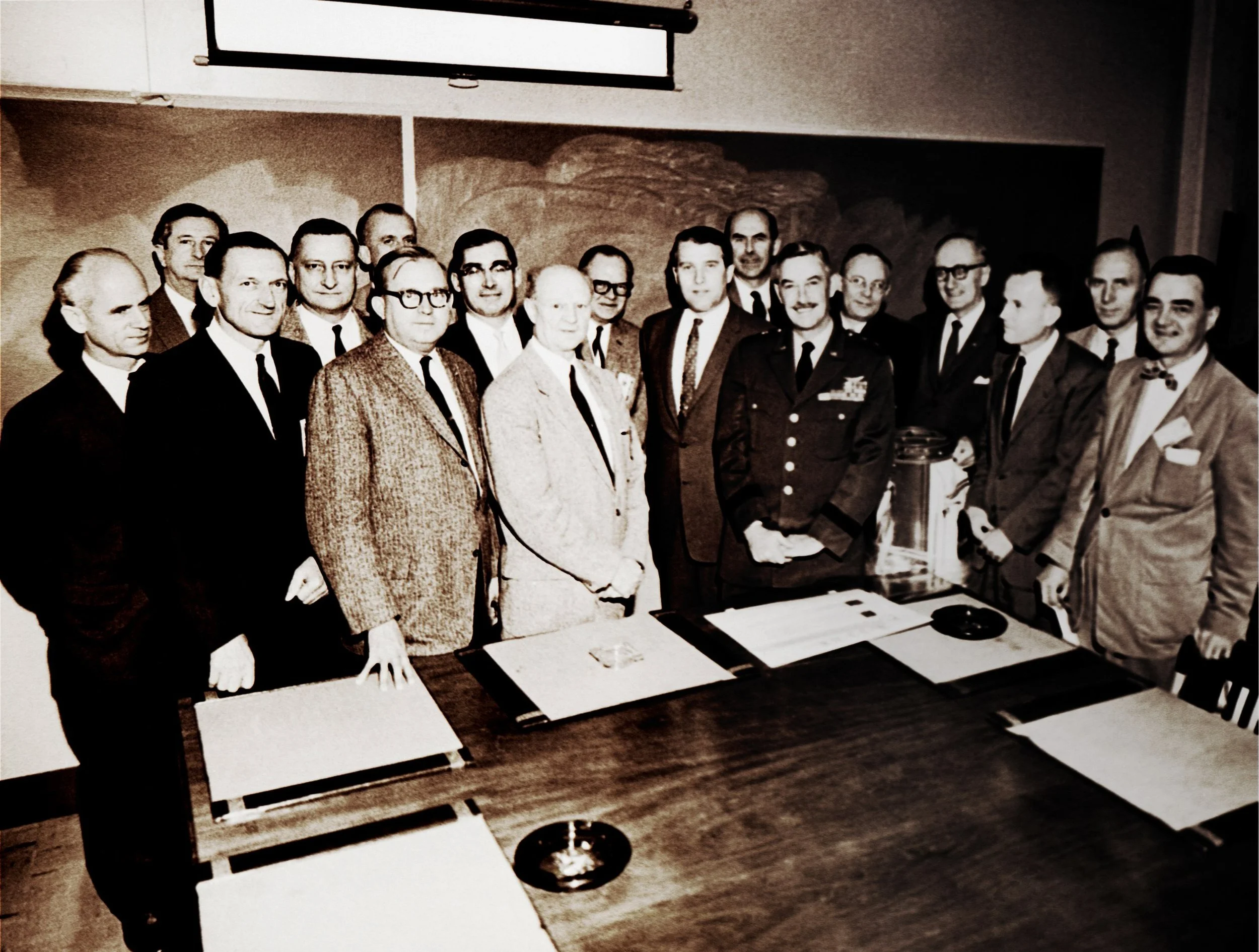
Exceptional Civilian Service award
In 1960, Arthur Rudolph, for his management of the Pershing missile program, received the Exceptional Civilian Service award, the highest civilian award in the Army. During 1960, the Pershing project director made trips for the Army to Italy, France, and West Germany, to promote the purchase of the missiles for air defense in Europe. But his goal was to rejoin his friends and colleagues to get the United States into space. Finally, in 1961, Arthur Rudolph did so, when he transferred to NASA. President Kennedy had challenged the United States to land a human on the Moon.
-
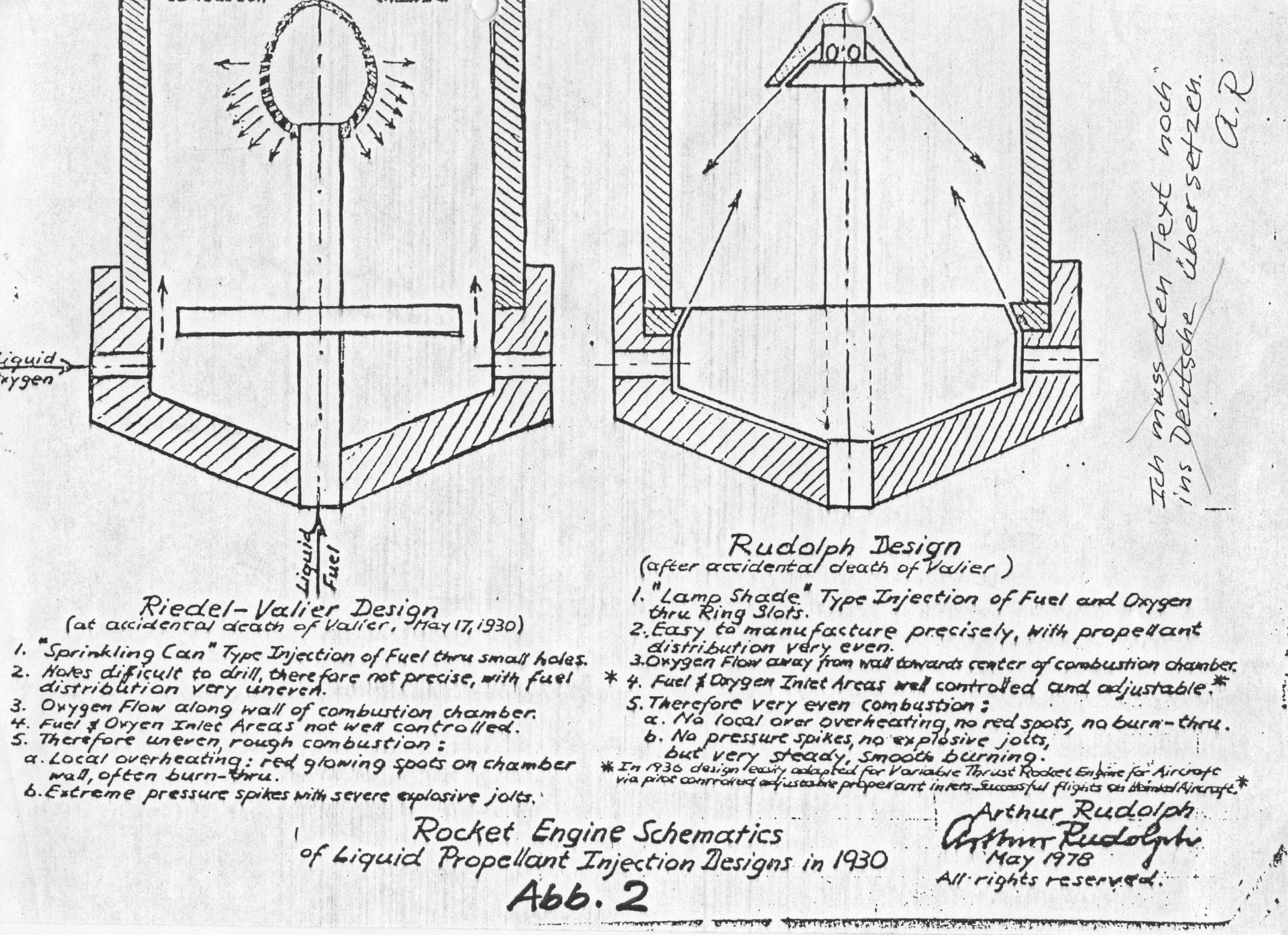
Arthur Rudolph and the Rocket That Took Us to the Moon
Rudolph’s management of the Saturn V rocket program was the culmination of a 40-year career in space technology development, that he began at the age of 24, working along side rocket enthusiast Max Valier. After Valier’s death, Rudolph designed his own, improved liquid rocket engine. He was one of the first men hired by the German Army to work on rocket experiments, based on the innovations he had made. Following his work on the World War II A-4 rocket, Rudolph came to the United States, working for the U.S. Army on the earliest intermediate range intercontinental ballistic missiles, including as manager of the Pershing I project.
-
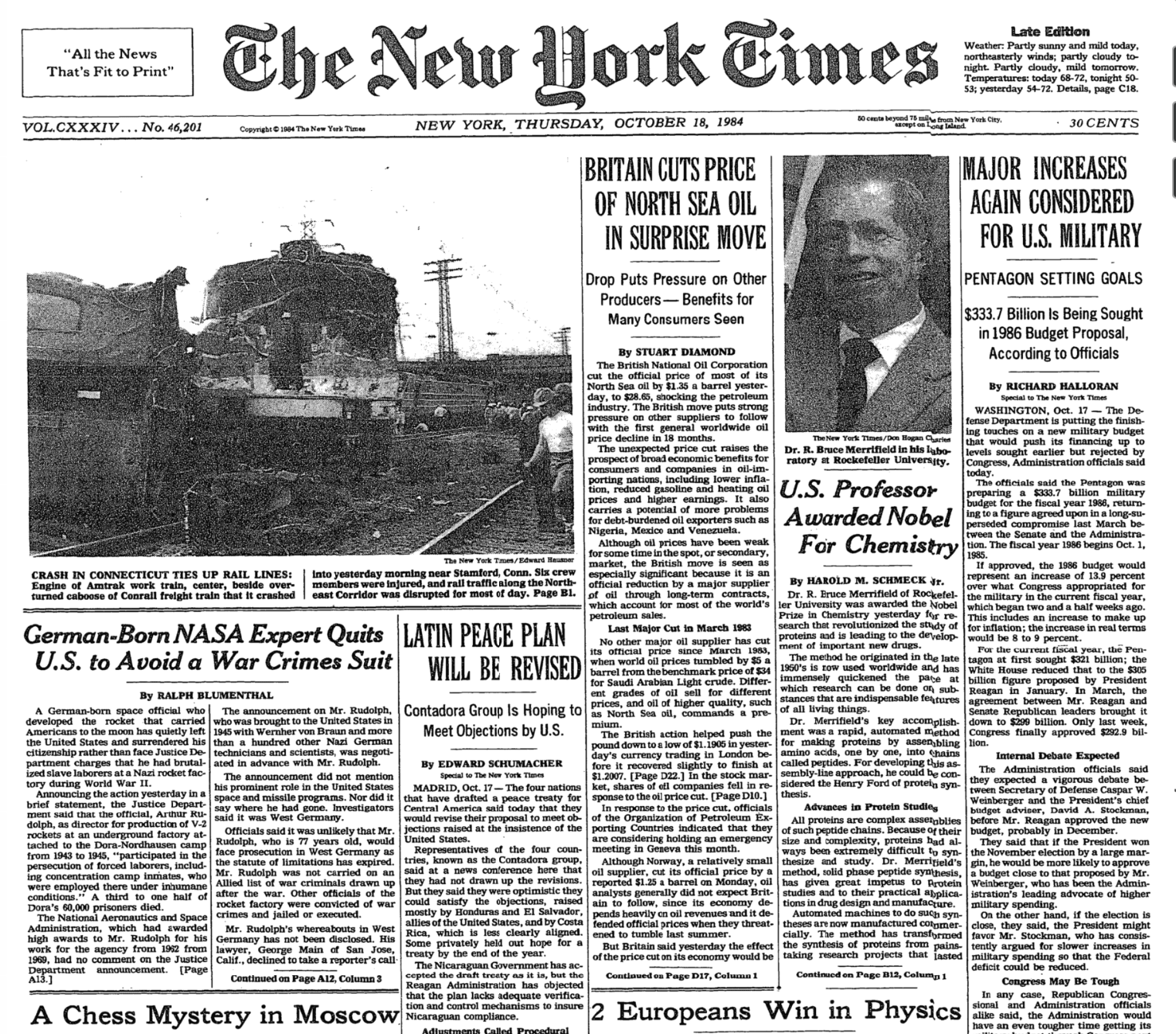
German-Born NASA Expert Quits U.S. to Avoid a War Crimes Suit
A German-born space official who developed the rocket that carried Americans to the moon has quietly left the United States and surrendered his citizenship rather than face Justice Department charges that he had brutalized slave laborers at a Nazi rocket factory during World War II. Announcing the action yesterday in a brief statement, the Justice Department said that the official, Arthur Rudolph, as director for production of V-2 rockets at an underground factory attached to the Dora-Nordhausen camp from 1943 to 1945, ''participated in the persecution of forced laborers, including concentration camp inmates, who were employed there under inhumane conditions.''