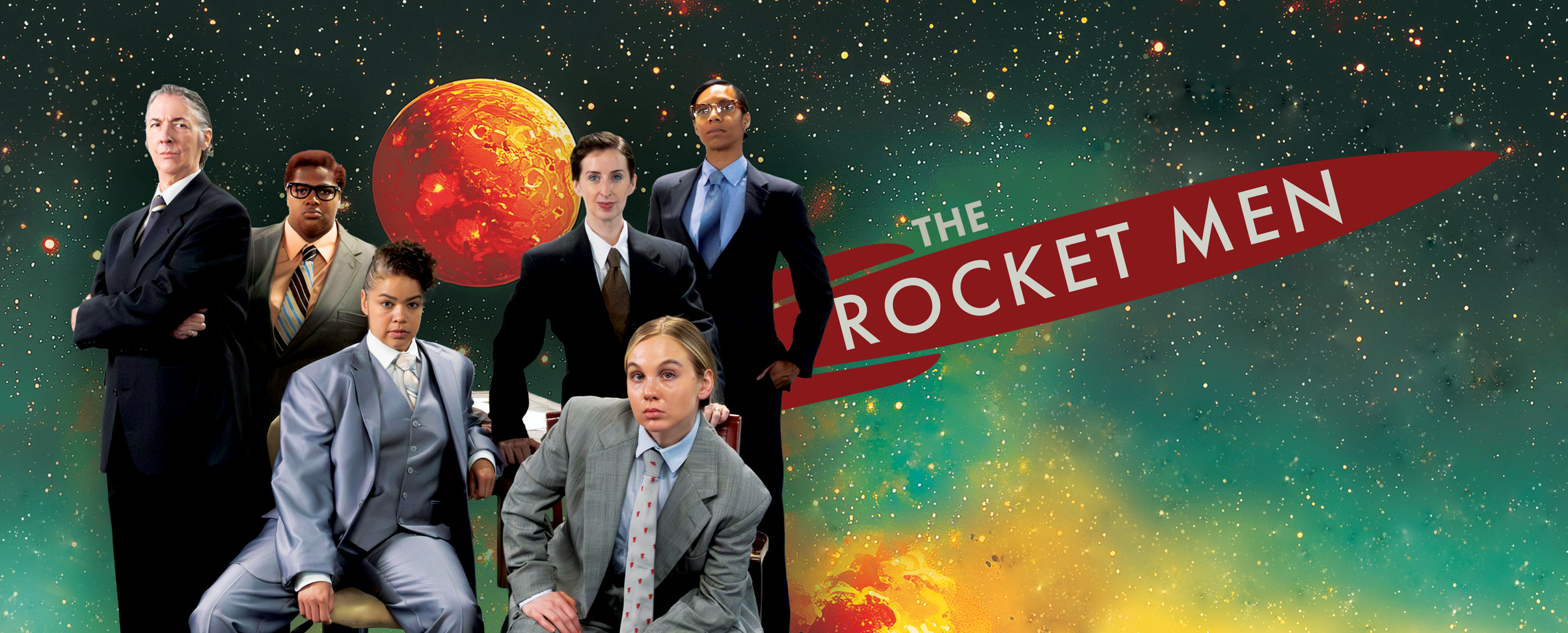
In The Rocket Men by Crystal Skillman, six women step into the roles of real-life Nazis who formed the backbone of the NASA team that sent us to the moon. Told with invention and theatricality, this gripping new play about the intersection of scientific exploration and moral responsibility unfolds in startling ways and asks us what it means “to be an American” … then and now.
This website serves as a living resource for the research, historical information and multi-media resources compiled while writing the play, as well as preparing for its first performances at Synchronicity Theatre, the second production in the National New Play Network Rolling World Premiere.
The Research
-

The Prisoners
Content Warning
Referred to as merely a footnote in the Space and Rocket Center in Huntsville as “factory workers,” the prisoners who were forced to build the V-2 rockets at Mittelbau-Dora have a story that deserves to be told. -

The Places
The story of Operation Paperclip begins in Europe, and spans across the Atlantic to Arizona and ultimately Huntsville, Alabama.
-

The Operation
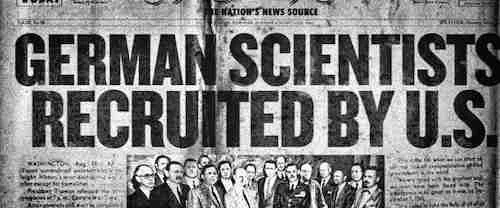
The Office of Strategic Services (OSS) sought to recruit the scientists of Nazi Germany to work for the US in the aftermath of World War II.
-

The Men
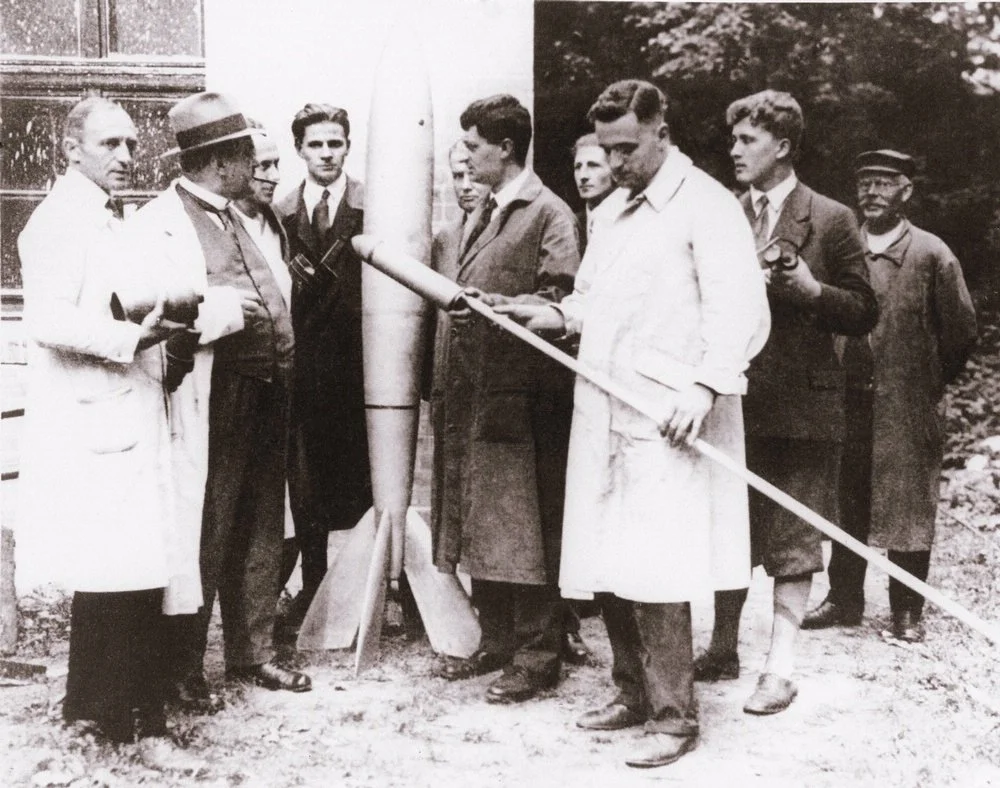
The engineers, scientists and managers who took us to the moon and beyond, transplanted from Europe to the US after World War II.
-

The Science
Developed as a work-around to the Treaty of Versailles, the rockets engineered during WW II became the foundation of American space exploration and kicked off the Space Race.
-

The Playwright
New York-based writer Crystal Skillman creates a bold new work unearthing the stories behind Operation Paperclip.
-

The Productions
The Rocket Men premieres at three theatres across the country in 2025-2026 season, through a National New Play Network rolling world premiere.
-

Library
A list of additional books, videos and resources that help put the people, places and events of the play into perspective.
The Operation
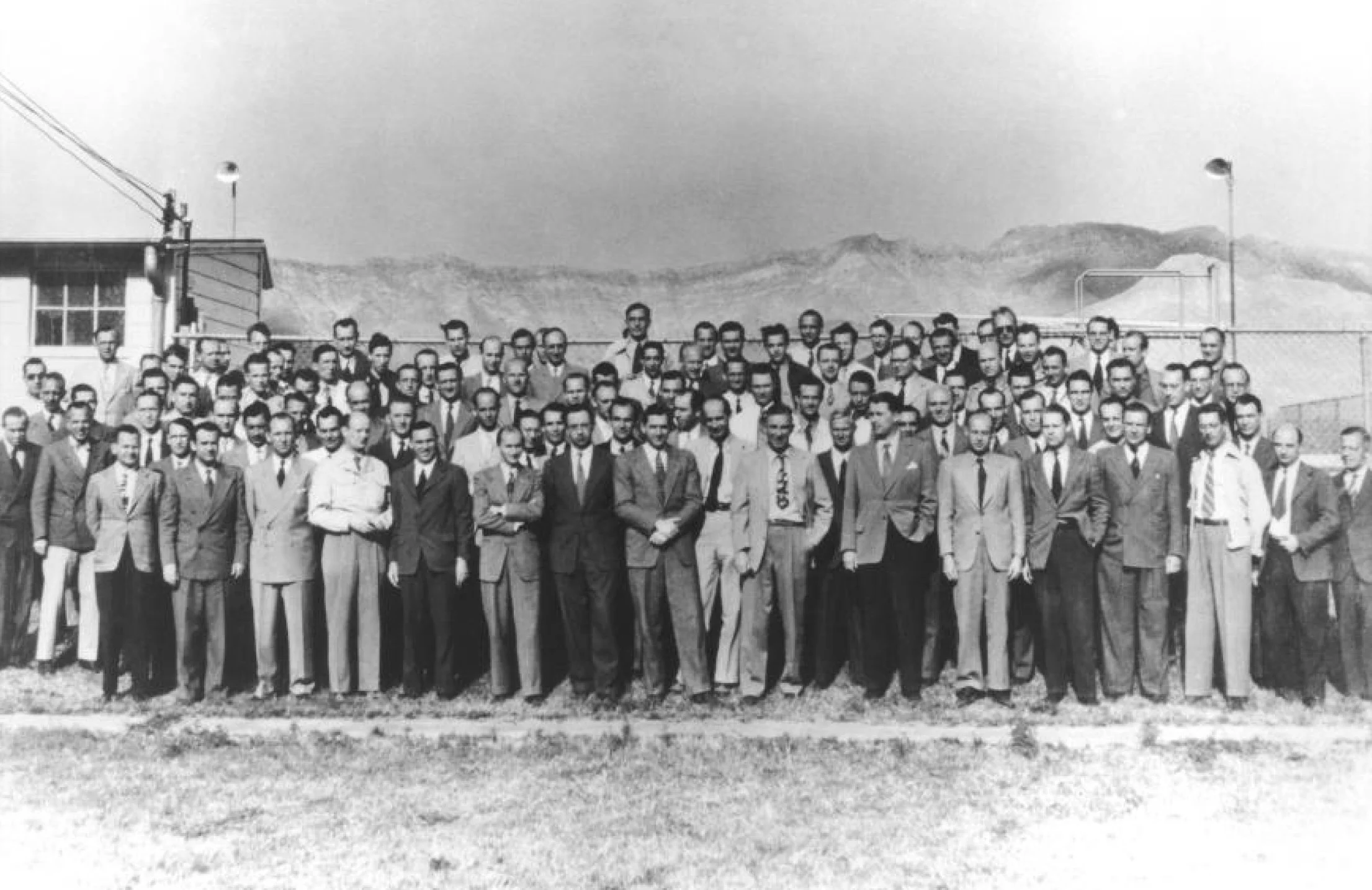
Paperclip was originally called Operation Overcast. Under that name, the mission was to capture and interrogate 100 prominent Nazi scientists and leverage their expertise to expedite the defeat of the Japanese Empire.
In March 1945, CIOS agents made an accidental discovery that quickly changed and expanded the mission of Overcast. It began when a lab technician at Bonn University (in the German town of Bonn) found a crumpled document floating in one of the school’s toilets. The document turned out to be the so-called “Osenberg List,” a register of prominent Nazi scientists and engineers who, in 1942, had been moved from the war’s front lines to begin developing new weapons for the German Reich.
In November 1945, Operation Overcast was renamed Operation Paperclip by Ordnance Corps officers, who would attach a paperclip to the folders of those rocket experts whom they wished to employ in the United States.
The Men
-
![Wernher Von Braun]()
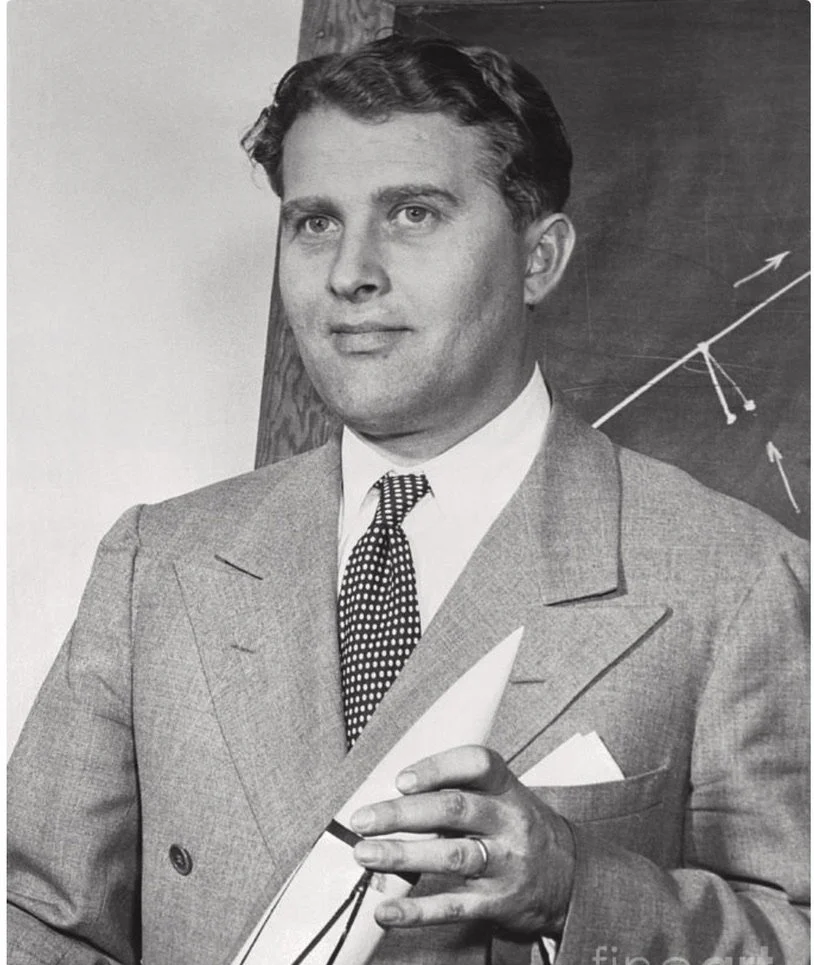
Wernher Von Braun
While a controversial figure for his Nazi associations, Wernher Von Braun is at times described as the "father of space travel”. He worked on the design of the V-2 combat rocket, and later helped build the rockets that carried American astronauts to the moon.
-
![Heinz-Hermann Koelle]()
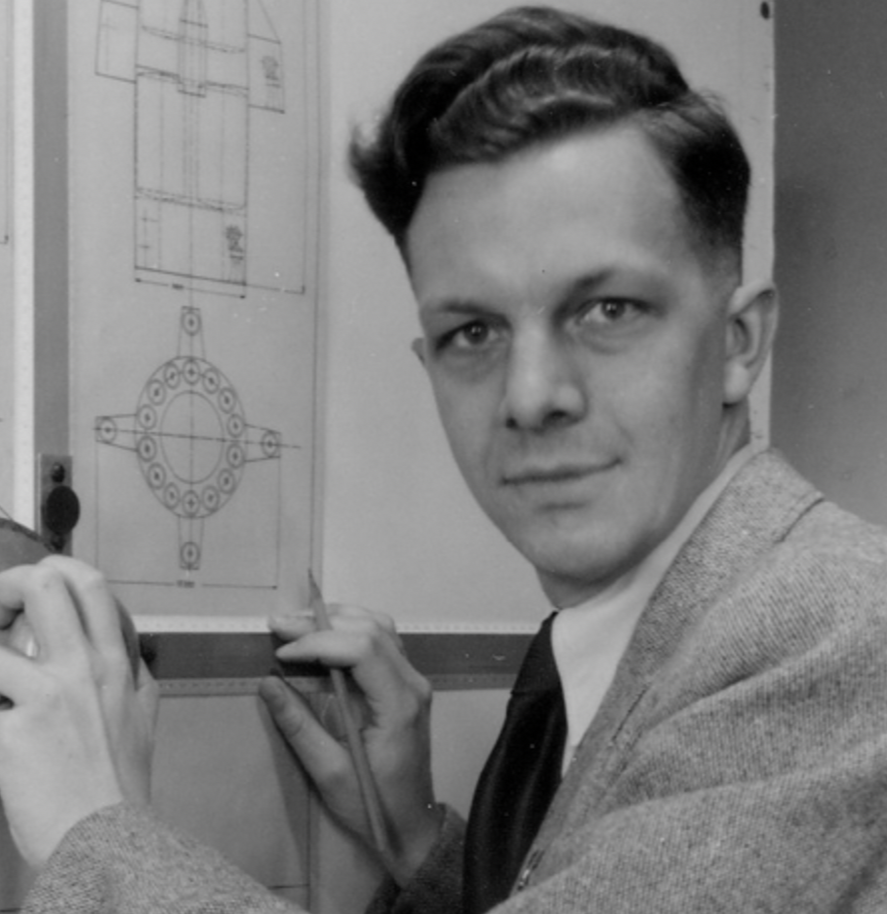
Heinz-Hermann Koelle
A key advisor to von Braun, Heinz-Hermann Koelle helped shape NASA’s space strategy during the agency’s golden age as the German engineer who made the preliminary designs on the rocket that would emerge as the Saturn I.
-
![William A. Mrazek]()
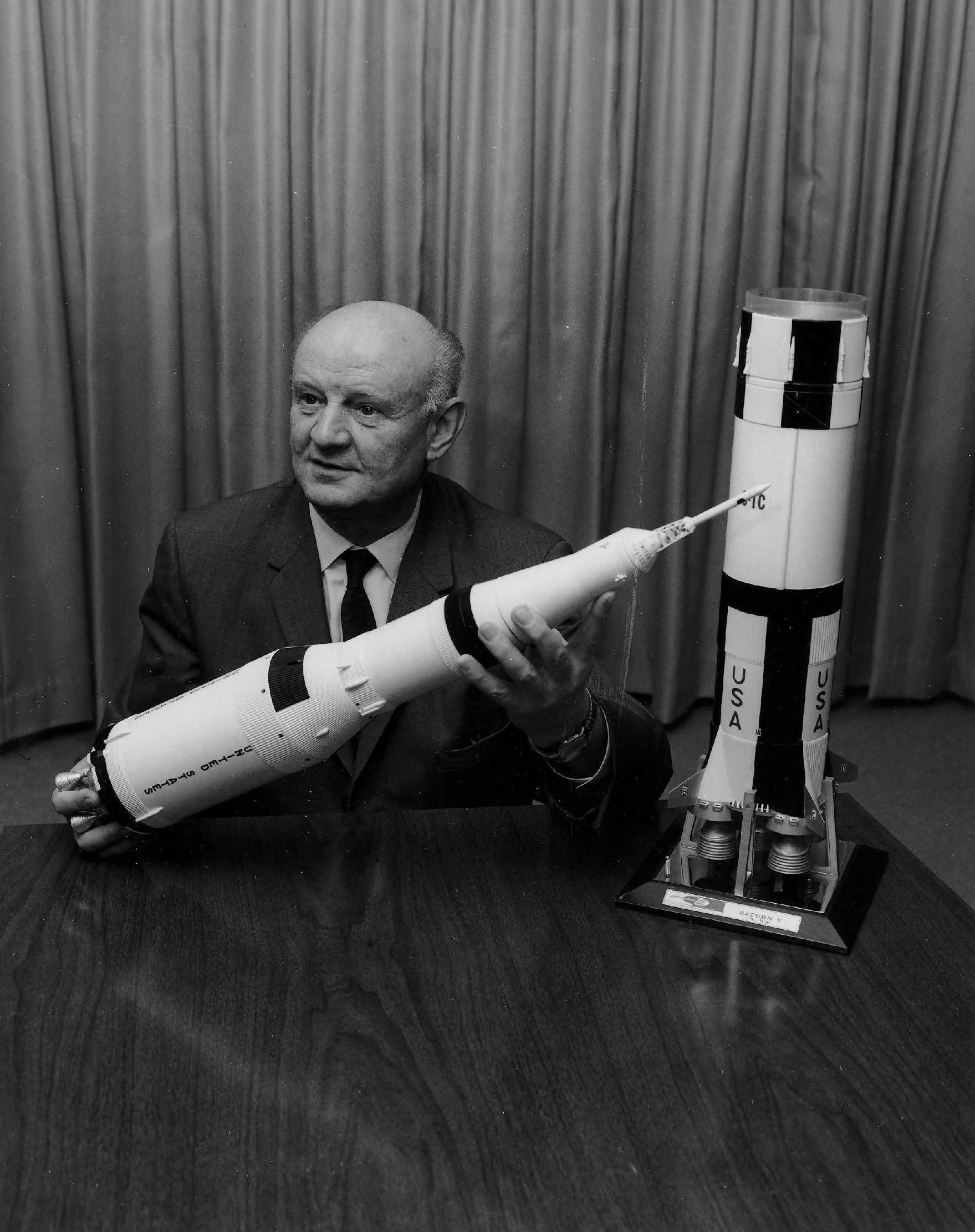
William A. Mrazek
William A. Mrazek served as Director of the Structures and Mechanics Division, then Assistant Director for Engineering for Industrial Operations at the George C. Marshall Space Flight Center before becoming the Chief Engineer for all Saturn development and fabrication work.
-
![Helmut Hoelzer]()
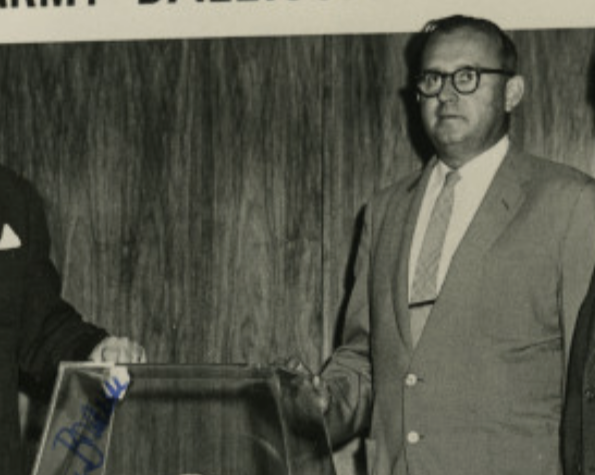
Helmut Hoelzer
Inventor and constructor of the world's first electronic analog computer, Helmut Hoelzer was a Nazi Germany V-2 rocket engineer brought to the United States as part of Operation Paperclip.
-
![Arthur Rudolph]()
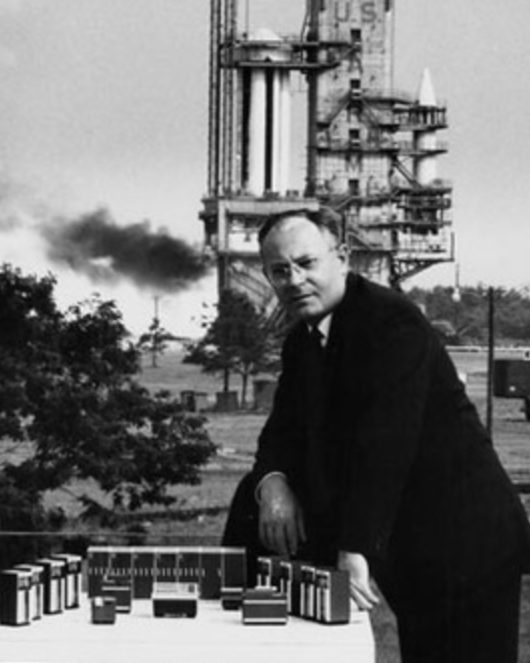
Arthur Rudolph
In charge of V-2 rocket production in Nazi Germany, Arthur Rudolph was brought to the US with other members of the rocket team, and became Project Director for the Saturn V program.
The Places
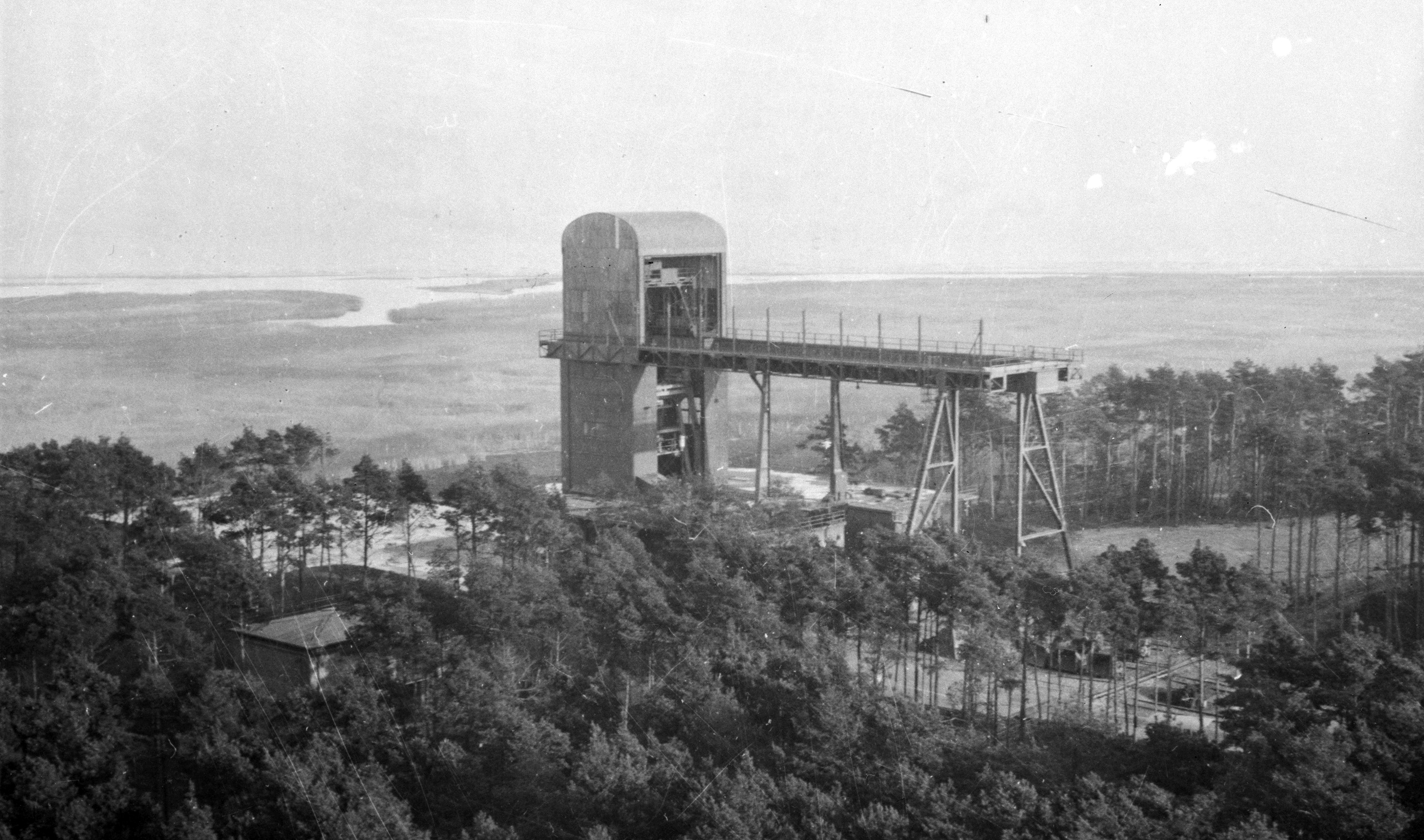
Peenemünde, Germany
From 1936 to 1945, the research stations in Peenemünde formed the largest armaments centre in Europe, most famously building the world’s first cruise missiles and the first ever functioning large-scale rockets. Both were designed as a weapon of terror against the civil population, made mostly by forced labourers.
MORE
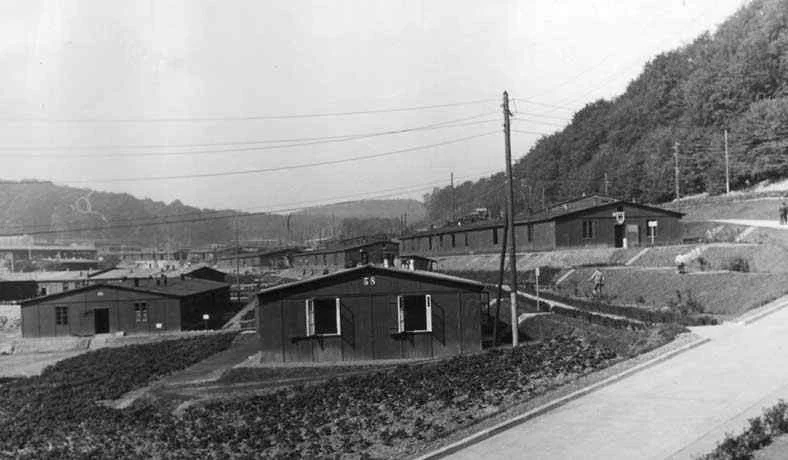
Dora-Mittelbau, Germany
Dora-Mittelbau (also Mittelbau-Dora and Nordhausen-Dora) was a Nazi concentration camp located near Nordhausen in Thuringia, Germany. It supplied slave labour for manufacturing the V-2 rocket and the V-1 flying bomb from summer 1943 until it was liberated in April 1945.
MORE
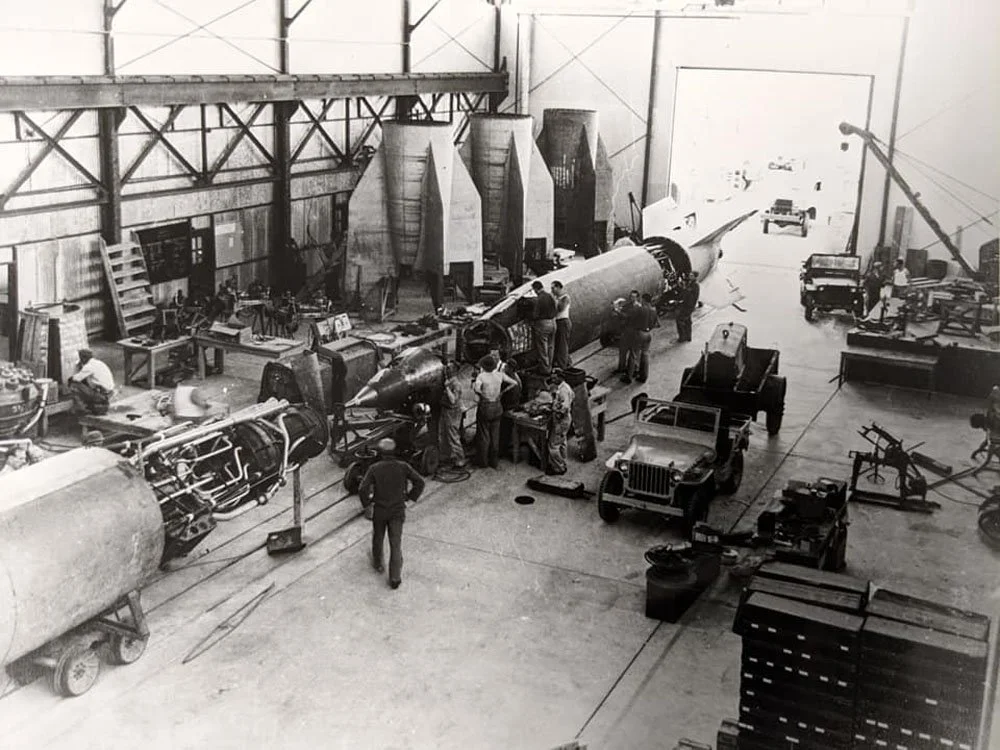
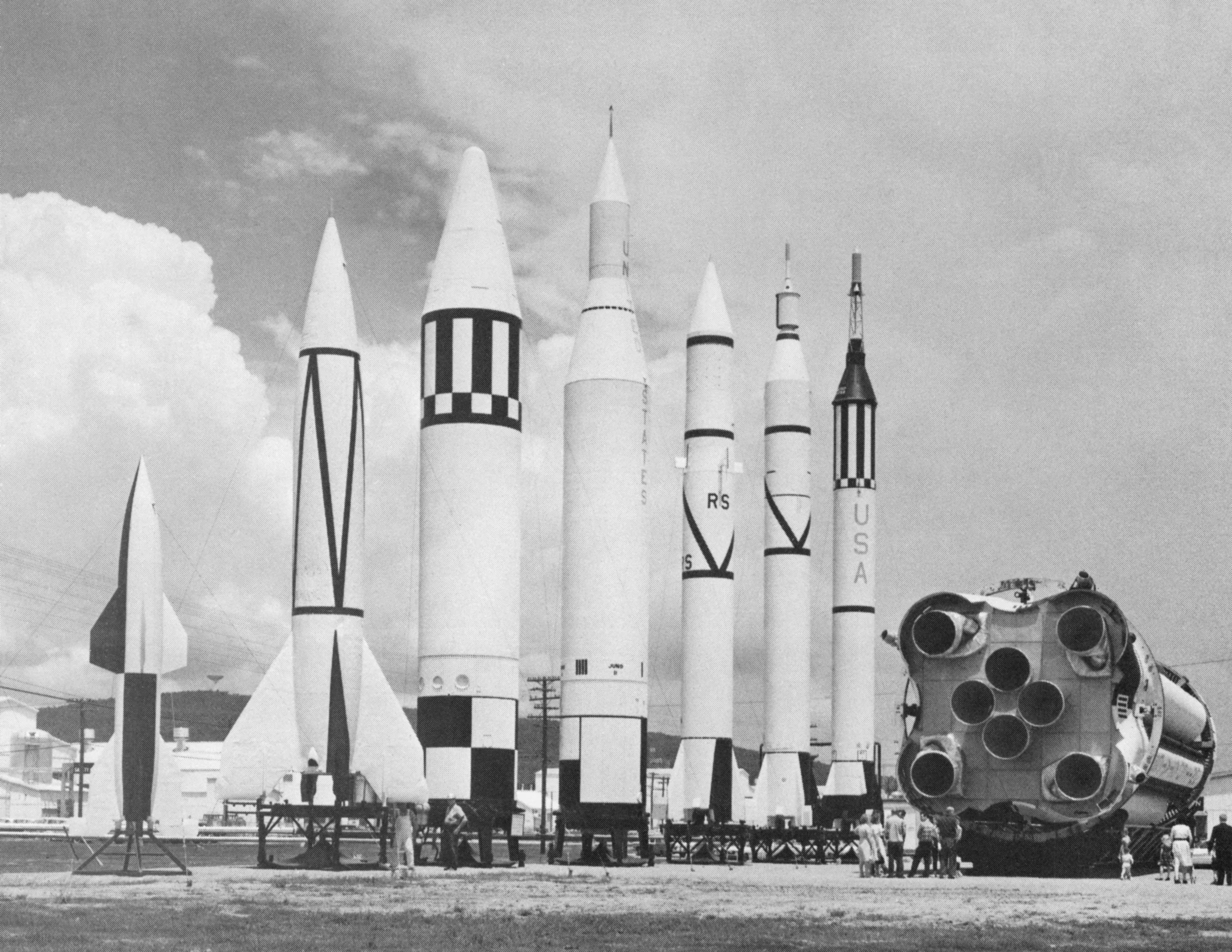
Huntsville, Alabama
After World War II, Huntsville’s Redstone Arsenal became home to a team of German rocket scientists, led by Wernher von Braun. Even before NASA, the Army Ballistic Missile Agency secured Huntsville’s reputation as the Rocket City. NASA was formed months after Explorer 1 was launched, and two years later the ABMA was transferred to NASA to form the Marshall Space Flight Center. Today, Huntsville is also home to the U.S. Space and Rocket Center.
MORE
Fort Bliss, Texas
The Rocket Branch, Research and Development Sub-Office of the Ordnance Department, located at Fort Bliss, was home to preliminary rocket research which began during World War II. The Operation Paperclip scientists worked toward the development of the V-2 rocket here.
MORE
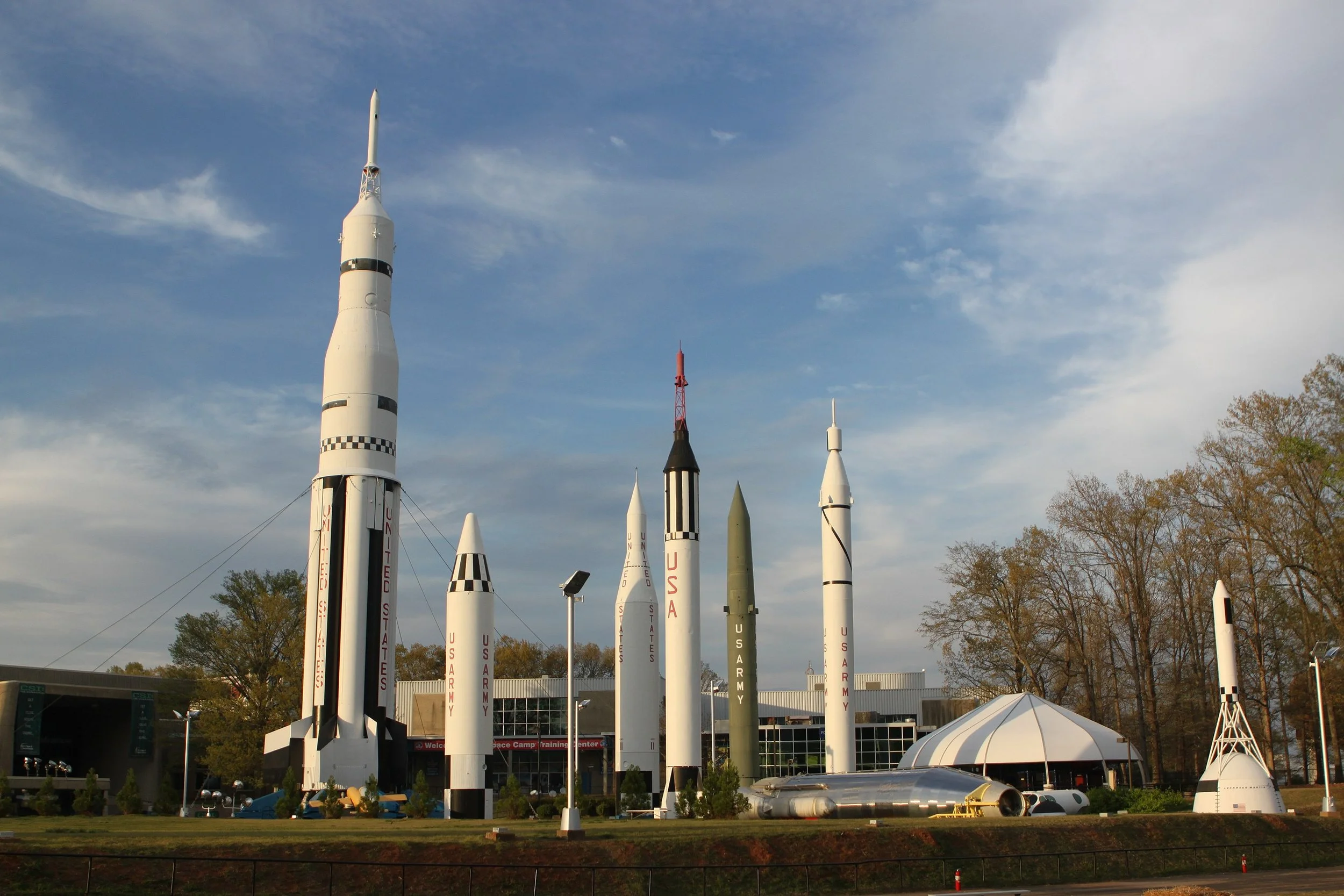
The Rockets
The German military was prohibited from developing conventional artillery weapons by the World War I Treaty of Versailles. As a result, the rocket began to look like a good candidate for providing defense for the country. The capabilities of a rocket would provide a good substitute for heavy artillery. When the German military decided to invest in the development and testing of rocket weaponry in the early 1930s, they could take advantage of an existing group of experienced scientists and technicians. The scientific principles of modern rocketry had been developed early in the twentieth century, primarily by three men: Konstantin Tsiolkovsky in Russia, Robert Goddard in America, and Hermann Oberth in Germany.
The Space Race

The Playwright
Crystal Skillman is an internationally award-winning dramatist. She is the author of the NYTimes Critics’ Pick Open, which just closed a critically acclaimed run Off-Broadway at WP Theater. Her other plays, which have also earned praise from the NYTimes include: Cut, Geek, and King Kirby, co-written with Fred Van Lente about the life of Marvel’s co-creator, artist Jack Kirby, which is now a podcast series on Broadway Podcast Network.
Her new play commission, The Rocket Men, has won awards from Venturous and EST/Sloan. The play is currently receiving a National New Play Network Rolling World Premiere at three NNPN theatres around the country in their 2025-2026 seasons, starting this fall (Phoenix Theatre, Indianapolis; Synchronicity Theatre, Atlanta; Angels Theatre, Nebraska).
Crystal’s plays made their international debut with Rain and Zoe Save the World (Jermyn Street Theater, UK) and Open’s tour with the Onstage Festival in Italy in 2022. Musicals in the next stage of development include: Mary and Max (Composer: Bobby Cronin), and Black-Eyed Susan (Composer: Matthew McCollum). Crystal’s first graphic novel has just come out from Rocketship Entertainment; she has previously written for Wondery Kids, Adventure Time comics, and Marvel comics. She is a proud alum of the WP Lab, Soho Rep Writer/Director Lab, and Youngblood at EST, where she is a member. She is represented by Brian T. Sherman (IPEX Artists Agency). https://www.crystalskillman.com/ Instagram @crystalskillman